

A discharge date can arrive before a home feels ready. For many people, post surgery mobility is less about getting from A to B and more about managing the everyday moments that usually go unnoticed: getting out of bed, reaching the toilet at night, washing safely or tackling the front step. The right equipment can reduce strain, lower the risk of a fall and make it easier to follow the recovery plan set by the hospital team.
Needs vary considerably. Someone recovering from a knee replacement may need stable support for walking and a higher chair, while a person following abdominal, spinal or cardiac surgery may need to avoid bending, lifting or pushing themselves up from low seating. Always follow the advice of your surgeon, physiotherapist or occupational therapist, particularly where weight-bearing limits or movement restrictions apply.
Start with the movements that feel difficult
Before choosing equipment, consider the route through a normal day. How will the person get from bed to bathroom, prepare a drink, sit down for a meal and leave the house for an appointment? Look at each transfer, including standing from a chair, getting on and off the toilet, stepping into the shower and getting in or out of a car.
A useful approach is to identify the point where help is currently needed. If standing from a low armchair is painful or unsteady, better seating support may be more useful than another walking aid. If the bathroom is at the other end of the house and night-time walking is difficult, a bedside commode may be appropriate for a short period. Equipment should solve a specific problem rather than fill a room.
Measure key spaces before ordering. Doorway widths, the height of existing chairs and beds, stair dimensions, bathroom layout and the space around the toilet all affect suitability. This is especially relevant for wheelchairs, shower chairs, toilet frames and larger items such as profiling beds or rise recliners.
Walking support after surgery
Walking aids should provide support without encouraging a person to put more weight through an affected limb than their clinical team has advised. A physiotherapist may recommend a particular aid and demonstrate the correct sequence for using it. That guidance should take priority over general product advice.
Walking sticks can suit people who need light support on one side. They need to be set at the correct height, with the handle around wrist level when standing upright with arms relaxed. For more substantial support, a walking frame can offer a stable base indoors. Wheeled walkers and rollators can be useful outdoors, particularly when longer distances, fatigue or carrying personal items are concerns, but brakes must be easy to operate and used correctly before sitting down.
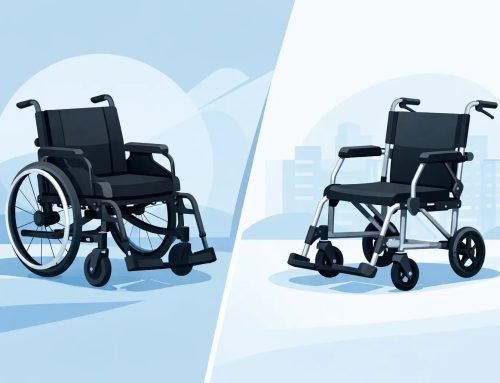
A wheelchair may be the sensible option for longer appointments, hospital visits or days when recovery fatigue is high. This does not mean progress has stopped. Conserving energy can help a person complete essential outings safely while continuing their prescribed exercises. For short-term needs, mobility equipment hire may avoid buying an item that will only be required during the first stage of recovery.
Safer bathroom and toilet transfers
Bathrooms are often the highest-risk room after surgery. Wet floors, tight turns and low fixtures make transfers harder, particularly when balance, strength or range of movement is reduced.
A raised toilet seat can reduce the distance a person needs to lower themselves and stand back up. Some models include arms for additional support. A toilet frame can provide stable handholds around the existing toilet, but it needs sufficient floor space and should sit securely on an even surface. The correct option depends on the user’s height, the toilet shape and whether they can safely use arm support.
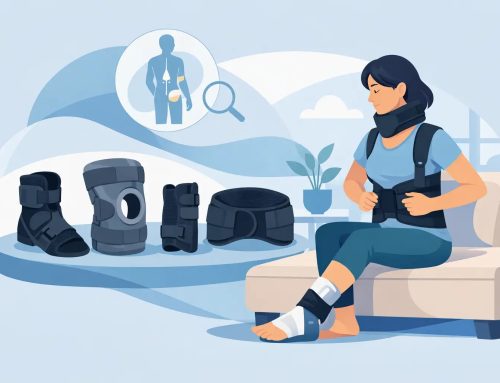
For washing, avoid assuming a bath is manageable simply because it was used before surgery. A shower chair or stool allows seated washing and reduces time spent standing. A bath board may help some users transfer across the side of the bath, but it is not suitable for everyone and requires a safe, controlled transfer. Grab rails can provide useful support when professionally positioned, but they are not a substitute for clinical advice where a person has strict movement restrictions.
Keep frequently used toiletries within easy reach. Long-handled sponges, reachers and non-slip mats may help, although a loose or poorly fitted mat can itself become a trip hazard. Good lighting and dry flooring are just as important as the equipment chosen.
Seating, beds and getting up safely
Low, soft seating can make post-operative recovery unnecessarily difficult. A firm chair with supportive arms and an appropriate seat height is often easier to use than a deep sofa. Furniture raisers may increase the height of an existing chair or bed, but they must be compatible with the furniture’s legs and fitted securely.
A rise recliner can assist a person to move from sitting to standing with less effort through the knees, hips or abdomen. It can be particularly helpful where recovery is likely to take several weeks, but the chair must fit both the person and the room. Consider seat width, back support, legrest position, maximum user weight and clearance behind and in front of the chair. A chair that is too large or too deep can be as difficult to rise from as a low sofa.
Bed transfers also deserve attention. Bed rails, transfer handles and adjustable beds can make repositioning and standing easier, but suitability depends on the individual and the type of bed. Incorrectly fitted rails can create gaps or increase risk for some users. Where getting in and out of bed is a continuing problem, a profiling bed may offer adjustable backrest and leg support alongside a safer working height for carers.
Managing steps, stairs and access
A single doorstep can be a significant barrier when someone is using crutches, a frame or a wheelchair. Temporary ramps can help where there is enough space, the gradient is safe and the surface is stable. The ramp length, threshold height and weight capacity all need checking before use. A ramp that is too steep is not a safe solution.
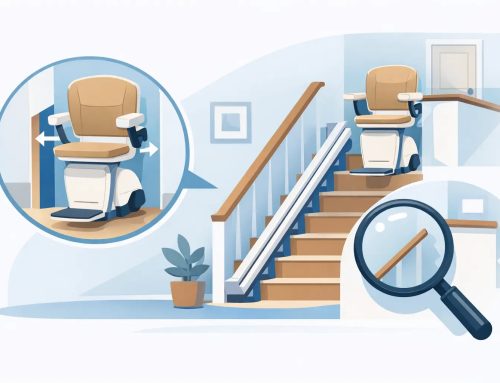
Stairs require particularly careful planning. A person should only use them if their hospital or physiotherapy team has shown them a safe method. If the bedroom or bathroom is upstairs and stairs are not manageable, short-term changes may be needed, such as setting up a sleeping area downstairs and using a commode. For longer-term access needs, stairlifts, homelifts and platform lifts may be worth discussing once the recovery outlook is clearer.
Do not rush into a major adaptation for a temporary limitation unless there is a clear longer-term need. Equally, do not rely on family lifting someone up steps or stairs. Manual lifting can injure both the person recovering and the carer. Transfer aids and professional assessment are safer options where support is required.
Prepare the home before the return from hospital
Small changes can make a noticeable difference during the first days at home. Create clear routes between the bed, chair, bathroom and kitchen. Remove trailing leads, loose rugs and clutter, and keep a telephone, medication, water and essentials within easy reach. If a walking aid is being used, ensure there is room to turn without catching furniture.
For people living alone, plan practical support as well as equipment. This may mean arranging food, checking transport to follow-up appointments or asking someone to be present for the first shower. Carers should be shown how the person has been advised to transfer, rather than improvising when they are tired or in pain.
It is also worth planning for change. Recovery can improve quickly, but it is rarely completely linear. Swelling, pain, tiredness and confidence may vary from one day to the next. Equipment that is easy to adjust, clean and store can be more practical than a highly specialised item that only works in one position.
When to seek further advice
Contact the relevant clinical team if pain suddenly increases, mobility worsens unexpectedly, a fall occurs, or the person cannot safely manage essential transfers. Urgent symptoms should be handled through the appropriate NHS service rather than by trying to solve the problem with a new piece of equipment.
For product selection, specialist mobility advice can help match dimensions, user weight, home layout and intended duration of use. Sheen Mobility can assist with a broad range of walking aids, bathroom aids, seating, wheelchairs, ramps and longer-term access solutions, alongside hire and servicing options where appropriate.
Recovery is easier to manage when the home supports the person’s current abilities, not the abilities they hope to regain next month. Choose the equipment that makes today’s essential movements safer, then review it as strength and confidence return.