


A familiar home holds more than furniture. It holds routines, neighbours, memories and the confidence of knowing where everything is. For many people, ageing in place means remaining in that home for as long as possible while making everyday tasks safer, easier and less tiring. The right approach is not simply buying equipment when a problem occurs. It is looking ahead, identifying where support is needed and choosing solutions that suit the person, the property and the way they live.
What does ageing in place mean?
Ageing in place is the ability to live safely and independently in your own home as your mobility, strength, balance or health needs change. It may involve a small adjustment, such as a grab rail by the front door, or a major alteration, such as a stairlift, wet room or homelift.
The aim is not to make a home look clinical or to replace independence with equipment. It is to reduce avoidable risks while helping someone continue with ordinary activities: getting washed and dressed, preparing meals, moving between floors, answering the door, resting comfortably and getting out into the community.
Needs vary widely. Someone recovering from a hip operation may need temporary bathing aids and a raised toilet seat. A person with a long-term condition may benefit from a powered rise recliner, profiling bed or transfer equipment. For another household, a mobility scooter, ramp or car hoist may make local journeys practical again. Good planning starts with the actual challenge, rather than the product category.
Start with a room-by-room home assessment
A practical assessment looks at the routes and tasks used every day. Walk through the home at the time of day when movement is most difficult, often early morning or at night. Consider whether the person can move safely without rushing, stretching, twisting or relying on unsteady furniture for support.
Pay particular attention to entrances, steps, narrow doorways, stairs, bathrooms, bedrooms and the kitchen. Also consider the route from a parking space or pavement to the front door. A home may be manageable indoors but still feel isolating if getting outside has become difficult.
Look for clear warning signs: repeated near-falls, difficulty standing from a chair, carrying items up stairs, avoiding baths or showers, sleeping downstairs because of stair access, or leaving rooms unused because they are no longer easy to reach. These are often the points where a well-chosen aid or adaptation can make a meaningful difference.
It can help to write down the issues before shopping. Include the available dimensions, any door thresholds, the user’s height and weight, whether equipment needs to be portable, and whether a carer will use it too. These details matter when selecting items such as wheelchairs, shower chairs, ramps, beds and lifting equipment.
Prioritise safety without taking over the home
Not every improvement needs to happen at once. Start with the hazards most likely to cause injury or prevent essential daily tasks. Slips in the bathroom, unsupported transfers and unsafe stair use usually deserve attention before cosmetic changes or optional purchases.
A useful priority order is:
- Safe access in and out of the property
- Safe movement around key rooms and between floors
- Bathing, toileting and personal care
- Seating, sleeping and transfers
- Independence with meals, medication and daily routines
Small changes can produce immediate results. Non-slip bathroom surfaces, a shower seat, toilet surround, bed rail or walking aid may be enough where mobility is only mildly reduced. Better lighting on stairs and in hallways is also a straightforward improvement that is easy to overlook.
However, small aids are not always an appropriate substitute for a larger solution. If stairs are becoming unsafe, adding another handrail may not be enough. A stairlift, platform lift or downstairs living arrangement may be the safer choice. Likewise, a bath board can help some people, but a level-access shower or wet room may be more suitable where stepping over a bath edge is no longer realistic.
Choose equipment around the person and the task
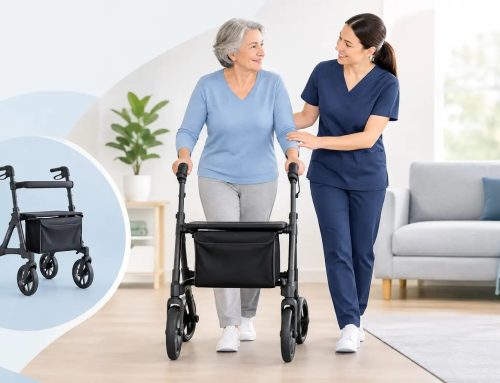
Mobility equipment works best when it fits the user’s needs and routine. A walking stick may support confidence on short indoor journeys, while a rollator with a seat and basket may be more useful for trips to the shops. A lightweight wheelchair can be practical for occasional outings, but a self-propelled model, powerchair or mobility scooter could be more appropriate for regular independent travel.
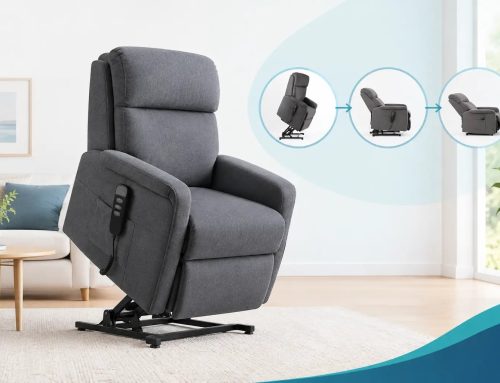
Seating deserves careful consideration. A rise recliner can make it easier to sit down and stand up without excessive strain, but seat height, width, back support and leg positioning all affect comfort. The right chair should support the person’s posture rather than simply lift them to their feet.
The same applies to beds. A profiling bed can assist with positioning, getting in and out of bed, and comfort during recovery or long-term care. Yet it needs enough room around it for safe access, bedding changes and any required equipment. If a carer is involved, consider their working space as well as the user’s comfort.
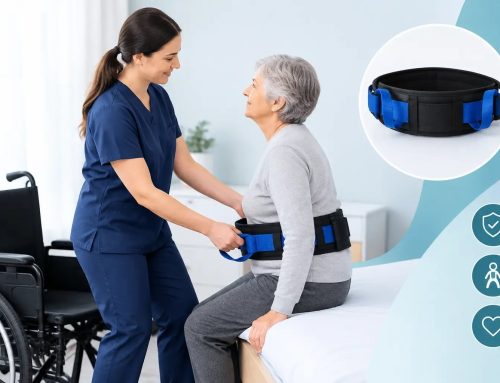
For transfers between a bed, chair, toilet or wheelchair, equipment should never be selected on appearance alone. Transfer boards, turntables, hoists and standing aids each suit different levels of mobility. Incorrect use can increase the risk of injury to both the user and carer. Specialist advice is particularly worthwhile when someone has limited weight-bearing ability, poor balance or complex care needs.
Plan home adaptations for the long term
Larger adaptations can feel like a significant decision, but they may prevent a move, reduce reliance on others and make a property usable for years to come. The best option depends on the layout of the home, future needs, available space and budget.
Ramps can provide step-free access where there are a small number of external steps or thresholds. Permanent ramps need suitable gradients, landings and handrails, while portable ramps may be useful for occasional access. Measure carefully: a ramp that is too steep can be difficult or unsafe for a wheelchair user, scooter user or carer.
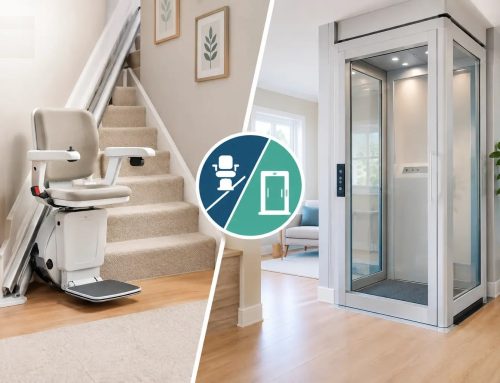
A stairlift is often suitable when the stairs are structurally sound and the user can transfer safely on and off the seat. A homelift or platform lift may suit a wheelchair user or someone who cannot use a stairlift safely. These options require a more detailed property assessment, but they can preserve access to bedrooms and bathrooms on upper floors.
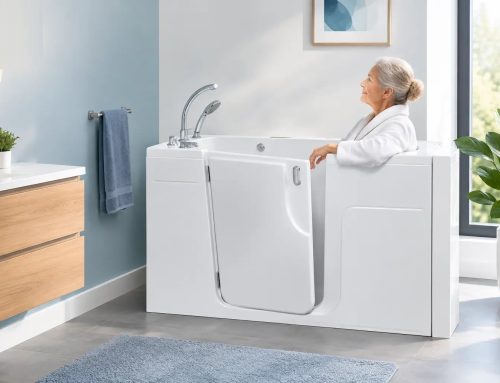
Bathrooms are another common focus. Grab rails, shower stools and bath lifts may meet short-term or moderate needs. For greater accessibility, walk-in baths and wet rooms can reduce the need to step over high sides. A wet room can also create space for assisted showering, although drainage, flooring, ventilation and the existing layout all need to be considered before work begins.
Keep comfort, confidence and appearance in view
A safe home should still feel like home. Equipment is more likely to be used consistently when it is comfortable, straightforward and suited to the person’s preferences. Some people value discreet aids that blend into their surroundings, while others prioritise easy operation and a higher weight capacity. Neither choice is wrong.
Confidence matters as much as physical access. A person may technically be able to manage stairs, but avoid them because they fear falling. They may own a mobility scooter but leave it unused because charging, storage or pavement routes are inconvenient. Ask what has stopped them doing the things they enjoy, not only what they can no longer do.
It is also sensible to consider maintenance from the outset. Batteries, tyres, brakes, motors and controls need periodic checks on powered mobility products. Stairlifts, hoists and lifting equipment should be serviced as recommended. Hiring equipment can be a sensible option during recovery or while deciding whether a long-term purchase is suitable; servicing and programming support can then help keep essential equipment dependable.
Involve the right people early
The person using the equipment should be involved in every decision wherever possible. Family members and carers may spot practical concerns, but the user knows which routines matter most and what will feel acceptable in their own home.
An occupational therapist can provide useful guidance where needs are changing, falls have occurred or adaptations are being considered. For larger installations, accurate surveys and professional fitting are essential. Measurements, weight limits, turning circles and transfer space are not minor details – they determine whether an otherwise good product will work safely in daily use.
Sheen Mobility can help households compare mobility equipment, daily living aids and home accessibility options in one place, including products for short-term use and longer-term support. The most suitable solution is usually the one that solves a specific problem without creating a new one.
The best time to plan is before a fall, hospital admission or sudden change in health forces a rushed decision. Begin with one difficult task, make that task safer, and build from there. A home that supports independence is created through practical choices made at the right pace.