

A support that slips, pinches or feels too restrictive is unlikely to be worn for long. The right orthopaedic supports should make everyday movement more comfortable while fitting realistically around dressing, walking, resting and personal care. For many people, that means choosing a product that gives measured support without making them feel less independent.
Orthopaedic supports include a wide range of braces, sleeves, wraps and cushions designed to support joints, muscles and posture. They can be useful during recovery from an injury or operation, when managing a long-term condition, or when a particular activity causes discomfort. They are not all intended for the same purpose, and selecting by body area alone can lead to an unsuitable purchase.
What orthopaedic supports can help with
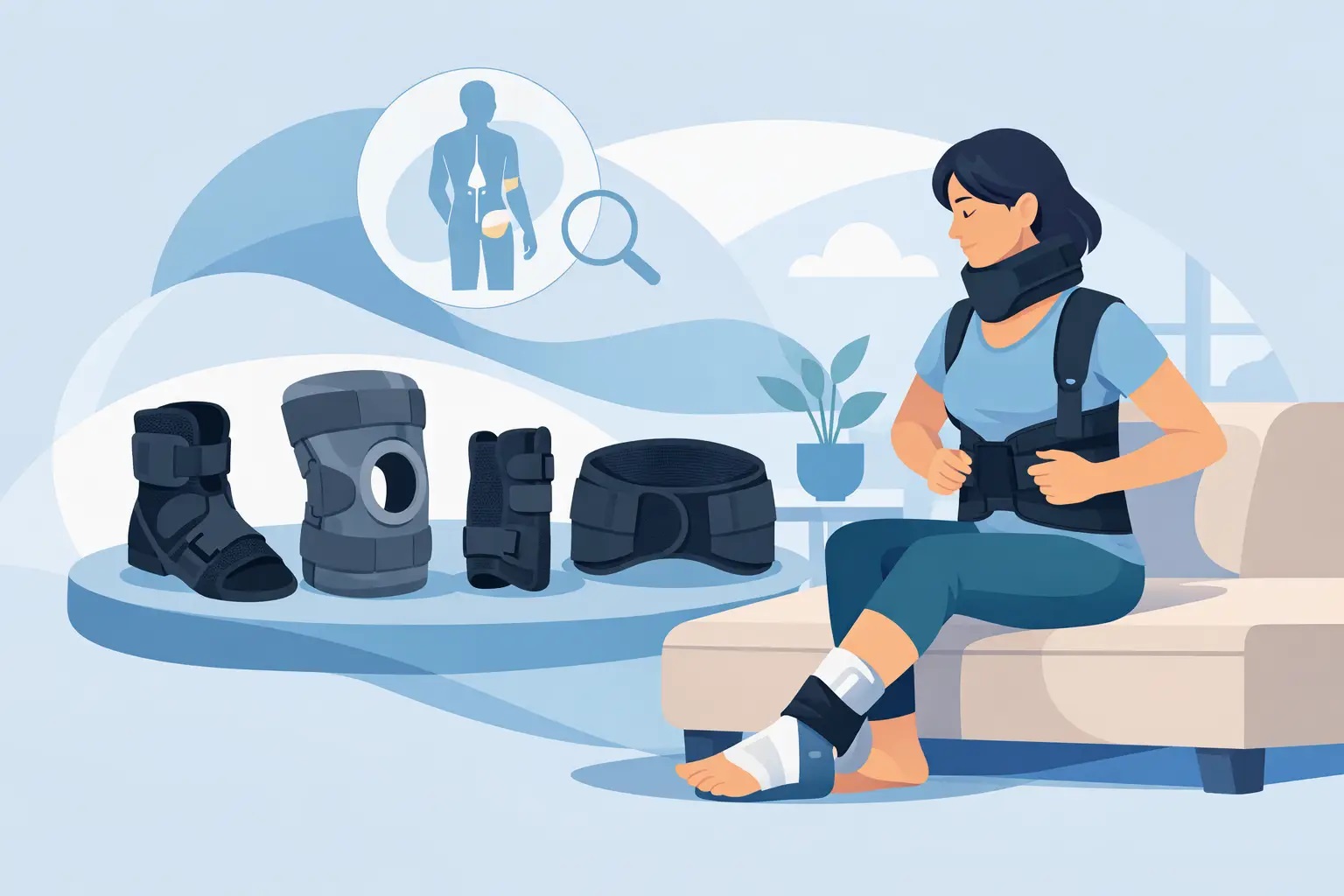
A well-chosen support can reduce strain around a joint, provide gentle compression, limit an uncomfortable range of movement or improve positioning while seated or lying down. Common options include wrist and thumb supports, elbow braces, back supports, knee supports, ankle braces, shoulder supports and cervical collars. Cushions and posture aids may also help people who spend extended periods in a chair, wheelchair or bed.
The level of support matters. A soft elastic sleeve may provide warmth and light compression for a mildly aching knee, while a hinged knee brace is designed to control movement more firmly. A wrist splint can hold the hand in a more neutral position, whereas a simple wrist support may allow greater flexibility for day-to-day tasks. More support is not automatically better. Restricting movement unnecessarily can be uncomfortable and may affect normal activity.
For people recovering after surgery, always follow the instructions from the hospital team, physiotherapist or occupational therapist. A support purchased independently should not replace a prescribed brace or a rehabilitation plan. Seek medical advice promptly for sudden swelling, severe pain, numbness, loss of strength, skin colour changes or a joint that appears deformed.
Start with the problem, not the product name
Before comparing products, identify when symptoms occur and what you need the support to do. Is the issue discomfort when walking to the shops, a painful wrist when using a walking aid, or lower-back fatigue after sitting? A clear answer helps narrow the category and avoids buying a general-purpose brace that does not address the real difficulty.
Consider whether support is needed for a short period or as part of daily management. For temporary use after a minor strain, a straightforward adjustable support may be sufficient. For ongoing arthritis, instability or reduced muscle strength, comfort, ease of fitting and durability are likely to matter more than a highly rigid design.
It is also worth considering what the user can manage independently. Small hooks, tight pull-on sleeves and complicated straps can be difficult for someone with reduced hand strength, arthritis or limited reach. A support with wider fastening tabs, clear left and right markings, or an open design can make putting it on and taking it off less frustrating.
Support, compression or immobilisation?
These terms are sometimes used interchangeably, but they describe different functions. Support may provide stability around a joint during movement. Compression is a close-fitting pressure that can feel reassuring and may help manage mild swelling when appropriate. Immobilisation limits movement more substantially and is usually required only under professional guidance.
If a support is being considered because of a new injury, avoid guessing how much restriction is needed. A rigid splint or brace in the wrong position can cause pressure problems and make ordinary tasks harder. When in doubt, seek clinical advice before choosing an immobilising product.
Choosing the right fit
Correct sizing is central to both comfort and effectiveness. Most supports use a measurement around the relevant body part, such as the wrist, calf, thigh, knee or ankle. Measure against the product guide rather than relying on clothing size. Measurements can vary significantly between manufacturers.
Take measurements when swelling is at its usual level, unless a clinician has advised otherwise. For adjustable products, check the stated size range and whether the fastening can accommodate fluctuations through the day. If swelling increases quickly or is persistent, it needs assessment rather than simply tightening a brace.
A properly fitted support should feel secure without causing tingling, numbness, throbbing, coldness or discolouration beyond the support. Check the skin after the first use, particularly where there are seams, straps or rigid stays. People with fragile skin, diabetes, reduced sensation or circulation concerns should be especially careful and should ask a healthcare professional if unsure.
For knee, ankle and back supports, test the fit in the positions used most often. Sit down, stand up, walk a few steps and, where safe, practise using stairs or a walking frame. A brace that feels acceptable while standing may bunch behind the knee when sitting, while a back support may ride up when transferring from a chair.
Materials and design features that affect daily use
Neoprene-style materials can provide a warm, close fit, but they may feel hot during prolonged wear. Breathable knitted fabrics are often more comfortable for regular use and can sit discreetly under clothing, although they may provide less structured support. Open-back or open-patella knee designs can reduce pressure in sensitive areas, while padded straps can make firmer braces more tolerable.
Washability is practical rather than cosmetic. Supports worn against the skin need regular cleaning to reduce irritation and maintain freshness. Check whether hand washing is required and allow enough drying time before the next use. A person who relies on a support every day may benefit from having a second one available.
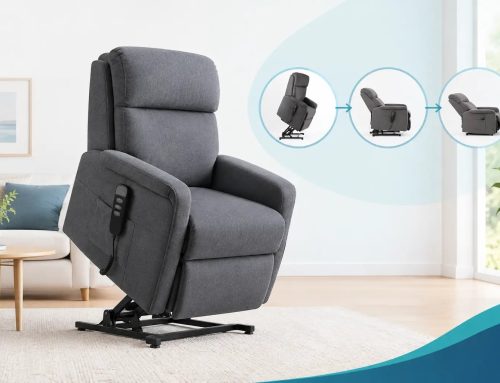
For people using wheelchairs, rise recliners or profiling beds, consider how the support behaves during long periods of sitting or lying down. Bulky braces can create pressure points, particularly behind the knee, at the elbow or around the heel. A lower-profile design may be more suitable, even if it offers lighter support.
Using supports safely alongside mobility equipment
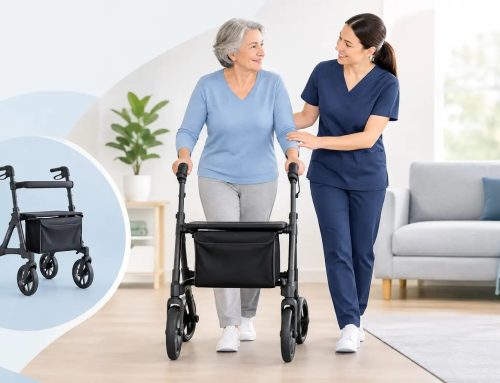
Orthopaedic supports can work alongside walking sticks, rollators, crutches and other mobility aids, but the combination should feel stable. A wrist or thumb brace, for example, may change grip strength on a walking frame. An ankle support may alter how a shoe fits, which can affect balance. Do not use a support inside footwear unless it leaves enough room and the shoe still fastens securely.
If someone has recently changed their walking aid, wheelchair seating or footwear, reassess whether their existing support remains comfortable. Small changes in posture and gait can alter where pressure is placed. A physiotherapist or occupational therapist can advise where symptoms are ongoing or where falls, reduced confidence or difficulty transferring are becoming part of the picture.
When to replace an orthopaedic support
Elastic fabrics gradually lose their recovery, and fastenings can become less secure over time. Replace a support when it no longer stays in position, has stretched out, has damaged stays or causes rubbing that was not present before. A change in body shape, swelling pattern or mobility may also mean the original size or style is no longer right.
It is sensible to review the need for a support periodically. Some people need temporary assistance while rebuilding strength; others need a comfortable solution that fits a long-term routine. If pain is increasing, movement is worsening or the support is needed more often than before, speak with a healthcare professional rather than relying on a tighter brace.
The most useful support is one that suits the user’s condition, fits safely and can be managed with confidence each day. Taking a few minutes to check measurements, fastening style and everyday comfort can make the purchase more practical from the first wear.