

A transfer belt can make the short journey from chair to standing, bed to wheelchair, or toilet to chair feel more controlled for both the person moving and the carer. But using transfer belts safely is not simply a matter of fastening a belt and holding on. The right transfer depends on the person’s strength, balance, understanding, pain levels and the space around them.
A transfer belt, also called a gait belt, is designed to give a carer a secure point of contact while assisting a person who can take some of their own weight. It is not a lifting sling and it should not be used to hoist someone off the floor, lift their full bodyweight, or pull them up by force. When there is doubt about a person’s ability to stand or step, professional moving and handling advice should come first.
Choose the right transfer belt for the person
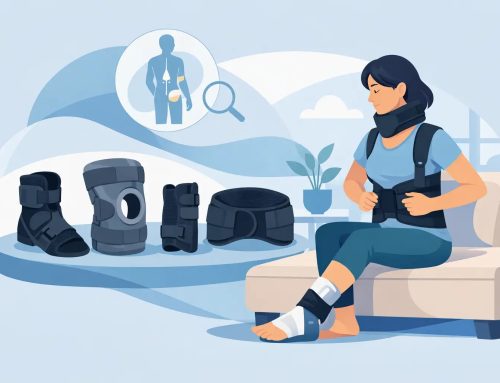
Start by checking whether a transfer belt is suitable. It may be helpful for a person who can sit upright, follow simple instructions, bear at least some weight through their legs and take part in the movement. A belt may be unsuitable where someone is unable to stand, has unpredictable knees, significant pain, severe balance difficulties, fragile skin, recent surgery, a feeding tube or medical equipment around the waist.
In these situations, a transfer board, standing aid, hoist and appropriate sling, or a different care plan may be the safer option. The correct equipment is determined by the individual, not by how short the transfer looks.
Choose a belt that fits comfortably and is in good condition. A padded transfer belt may be more comfortable for regular use, while models with vertical and horizontal hand grips can give the carer a more secure hold. Check the manufacturer’s weight limit, fastening type and care instructions before use. A belt that is frayed, damaged, difficult to fasten or has worn handles should be removed from use.
Prepare the space before the transfer
Most transfer problems begin before anyone starts moving. Allow enough room to turn, remove loose rugs and trailing cables, and make sure the route is dry and well lit. The destination chair, wheelchair or bed should be close enough to avoid unnecessary stepping, without forcing an awkward twist.
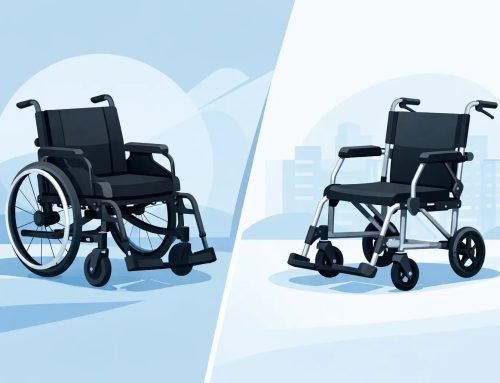
If a wheelchair is involved, apply the brakes and move footplates out of the way. Ensure a chair is stable and will not slide backwards. For a bed transfer, adjust the bed height where possible so the person’s feet can rest flat on the floor and the carer does not have to bend excessively.
Footwear matters. The person transferring should wear secure, non-slip shoes or slippers rather than socks on a smooth floor. Ask whether they feel dizzy, tired, in pain or unwell before beginning. A transfer can be postponed if the person is not ready. Rushing because of a meal, appointment or toilet visit increases the risk of a fall.
Fitting and using transfer belts safely
Fit the belt around the person’s waist over clothing, not directly against bare skin. Position it above the hips and below the ribs, avoiding any wounds, stomas, surgical sites or medical devices. It should be snug enough not to ride up or slip, but not so tight that it restricts breathing or causes discomfort. As a simple check, you should usually be able to place a flat hand between the belt and the person.
Explain what will happen before you begin. Clear communication reduces anxiety and gives the person time to use their own strength. Agree a simple sequence such as: move to the edge of the seat, feet flat, lean forward, push up from the chair, stand, then turn together. Count aloud if that helps. Never pull on a person’s arms, shoulders, clothing or the belt to force them upright.
The carer should stand close, using a stable stance with feet apart and one foot slightly in front of the other. Bend at the knees as needed, keep the back in a neutral position and avoid twisting. Hold the belt handles or belt itself as designed, keeping elbows close to the body. The aim is to guide and steady the movement, not to take the person’s weight through the carer’s back and arms.
During the turn, use small steps rather than pivoting on one foot. Encourage the person to reach back for the armrests before sitting, then lower themselves in a controlled way. Check their position once seated, particularly in a wheelchair, and make sure footplates, cushions and any lap belt are correctly arranged.
Situations where a transfer belt should not be used
A transfer belt cannot make an unsafe transfer safe. Stop and reassess if the person cannot rise with assistance, their legs begin to buckle, they become distressed, or they say they feel faint. Do not attempt to catch someone who is falling by pulling hard on the belt. This can injure both people. Follow the agreed falls procedure and seek help.
Extra care is needed following a stroke, hip surgery, a fracture or abdominal surgery. A clinician or occupational therapist may have set specific movement restrictions, such as avoiding a particular bend, twist or weight-bearing position. Follow these instructions even if the person seems stronger on one occasion.
Avoid using a transfer belt over fragile skin, bruising, pressure damage, a catheter or a painful area. It should also not be used as a restraint, to hold someone in a chair, or as a means of dragging them along a surface. These uses can cause injury and do not provide the control that a purpose-designed transfer aid offers.
One carer or two?
The number of carers needed should be based on an individual moving and handling assessment. Some people can transfer safely with one trained carer and a belt; others need two carers, a stand aid or a hoist. Having two people without a clear plan can create confusion, particularly if they pull in different directions.
Consider the transfer at different times of day. A person may manage well in the morning but be less steady after physiotherapy, medication changes, poor sleep or illness. If care needs have changed, arrange a review rather than continuing with a method that has become difficult.
Training, checks and everyday care
For paid carers, transfer belts should form part of suitable moving and handling training and an agreed care plan. Family carers can also benefit from practical guidance from an occupational therapist, physiotherapist, district nurse or other qualified professional. Written instructions are useful, but they do not replace seeing the transfer assessed in the person’s own home.
Before each use, inspect the webbing, stitching, handles, buckle and fastening. Clean the belt according to its label, particularly if it is shared between users, and allow it to dry fully before storing it. Keep it somewhere accessible but do not leave it wrapped around a person or hanging where it could become a trip hazard.
A transfer belt is often a useful part of a wider mobility set-up alongside a suitable chair, bed, wheelchair or bathroom aid. If transfers are becoming harder, review the whole routine rather than asking more of the belt. The safest arrangement is the one that protects the person’s comfort and dignity while allowing carers to work without strain.