

A chair can be comfortable yet still make the hardest part of the day more difficult: getting safely back onto your feet. When comparing a rise recliner vs electric chair, the key question is not simply whether the chair has a motor. It is whether it provides the positioning, support and assistance needed for the person using it.
The terms are often used interchangeably, particularly when someone is searching for a powered armchair. However, a rise recliner has a specific lifting function designed to help a user move from sitting to standing. An electric chair may refer to a powered recliner without lift assistance, or sometimes a powerchair used for getting around outdoors and indoors. Understanding that difference prevents an unsuitable purchase.
Rise recliner vs electric chair: the main difference
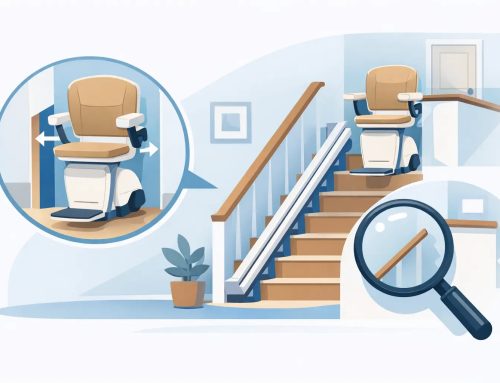
A rise recliner is an upholstered armchair with an electric mechanism that raises and tilts the seat forwards to support a controlled standing transfer. Most models also recline, allowing the backrest and footrest to move into more comfortable resting positions.
An electric recliner usually uses a motor to adjust the backrest and footrest, but it may remain at a fixed seat height. It can be useful for comfort, circulation and changing position, yet it does not necessarily provide the forward lift needed by someone with weak legs, painful joints or poor balance.
For this reason, a rise recliner is normally the more appropriate choice where standing up from a conventional chair has become difficult. An electric recliner may be sufficient where the user can stand independently but would benefit from easier reclining and leg elevation.
Do not confuse an electric chair with a powerchair
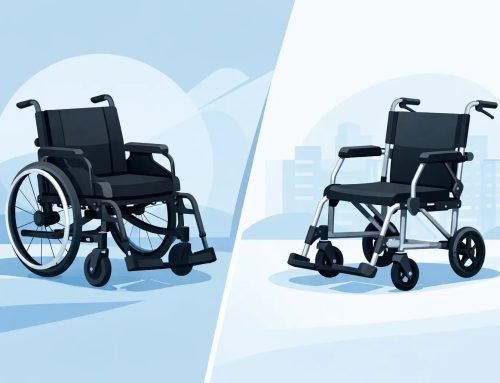
In mobility retail, an electric chair can also mean a powerchair. A powerchair is a battery-powered mobility vehicle used to travel around the home, shops or outdoors. It is not a substitute for a living-room chair, even if some models offer adjustable seating and tilt functions.
If the requirement is help with sitting, resting and standing in one place, look at rise recliners. If the requirement is independent travel, a powerchair or mobility scooter may be more suitable. Some people need both, particularly where reduced mobility affects daily life at home as well as outside.
What a rise recliner can help with
The lifting action is the feature that sets a rise recliner apart. It reduces the effort required to rise and can make transfers safer when used correctly. Rather than pulling the user upright, the chair raises the seat and gently tilts it forward so they can place their feet securely and stand with less strain.
This can be helpful for people living with arthritis, limited hip or knee movement, muscle weakness, balance concerns or fatigue. It may also support recovery following surgery, although any post-operative seating needs should be checked with the relevant healthcare professional.
A rise recliner can support comfort throughout the day as well. Reclining the backrest, elevating the legs and changing position can ease pressure from remaining in one posture for too long. The benefit depends on the chair’s size, cushioning and adjustment range. A lift mechanism alone does not make a chair suitable.
When an electric recliner may be the better fit
An electric recliner can be a sensible option for a person who does not need standing assistance but finds a manual recliner difficult to operate. The handset allows controlled adjustment without having to push back against the chair or pull a lever.
It may suit someone who wants to put their feet up for comfort, needs to rest after walking or prefers a more supportive place to read, watch television or recover energy. It can also be a good choice where several members of a household use the chair and none requires the lift function.
There are trade-offs. Electric recliners can still be large and heavy, and some have a fixed back or limited recline positions. If the user starts struggling to get up, an electric recliner cannot usually be converted into a rise recliner. It is worth considering likely needs over the next few years, not just what is manageable today.
Single motor and dual motor rise recliners
Rise recliners are commonly available with either a single motor or dual motor mechanism. This affects how the chair moves and how much control the user has over their position.
A single motor chair moves the backrest and footrest together. It is straightforward to use and may suit people who are happy with a linked recline position. In many cases, it is also a more economical option.
A dual motor chair allows the backrest and footrest to be adjusted independently. For example, the user may wish to raise their legs while keeping the backrest upright, or recline the backrest without lifting the footrest. This greater range can be valuable for people who spend long periods in the chair or have specific comfort needs.
Some chairs also offer additional functions, such as adjustable headrests, lumbar support, wall-hugging movement for smaller rooms and battery backup. These features should be chosen because they solve a clear need, rather than simply because they are available.
Getting the size right matters as much as the mechanism
A well-specified rise recliner should support the user’s body in a stable, natural position. A chair that is too wide may make the armrests difficult to reach. One that is too deep can leave the user sitting forward without proper back support, while a seat that is too high or too low can make standing harder.
Check the seat height, width and depth against the user rather than relying on a favourite existing chair. When seated, feet should rest comfortably on the floor, thighs should be supported without pressure behind the knees, and the back should meet the backrest. The armrests should be at a useful height for steadying the user when transferring.
User weight is also essential. Every model has a maximum user weight, and this should include normal clothing and any items likely to be kept on the chair. Do not select a chair at the limit of its capacity where a higher-capacity option is available.
For someone with complex posture, significant swelling, pressure care needs or an inability to reposition independently, standard domestic seating may not be enough. Specialist seating assessment can help establish whether a more tailored solution is required.
Consider the room, power supply and delivery route
Before ordering, measure the intended space and the route into the property. Measure doorways, hallways, tight corners and stair access where relevant. A large rise recliner may need a split back, removable arms or another delivery solution to enter the home safely.
Allow room behind and in front of the chair for it to recline and rise. Wall-hugging designs need less clearance at the rear, but they still require safe space for the footrest and for the user to stand. Avoid placing the chair where it could block a main walkway, radiator control or doorway.
Because the chair is powered, it needs access to a suitable mains socket. Leads should not create a trip hazard across the floor. A battery backup can be useful during a power cut, particularly for a person who may otherwise be unable to return the chair to a standing position. Check how the backup operates, as features vary by model.
Safety and everyday use
The handset should be easy for the intended user to hold and understand. Controls should be operated slowly, especially when using the rise function for the first time. The user should wear supportive footwear, make sure the area in front of the chair is clear and avoid standing before the chair has reached a stable position.
Children, pets and loose blankets should be kept clear of the moving mechanism. If the chair stops working, do not force it manually or continue using it if the frame, cable or handset is damaged. Arrange inspection or servicing through a suitable mobility equipment provider.
For carers, a rise recliner can reduce the need to pull or lift someone from a seated position. It does not replace safe moving and handling practice. Where a person needs hands-on assistance, their care plan and transfer technique should remain the starting point.
Choosing the right option
Choose a rise recliner when standing from a chair is difficult, tiring or unsafe, and when the user would also benefit from reclining comfort. Choose an electric recliner when the main need is powered positioning and leg elevation, but independent standing remains manageable. Choose a powerchair when the priority is travelling independently rather than seated comfort in one room.
If there is any uncertainty, begin with the user’s daily routine: how they get up, how long they sit, where the chair will go and whether their needs are likely to change. Sheen Mobility can help customers compare seating options alongside other home mobility equipment, so the chair supports independence rather than becoming another compromise.