

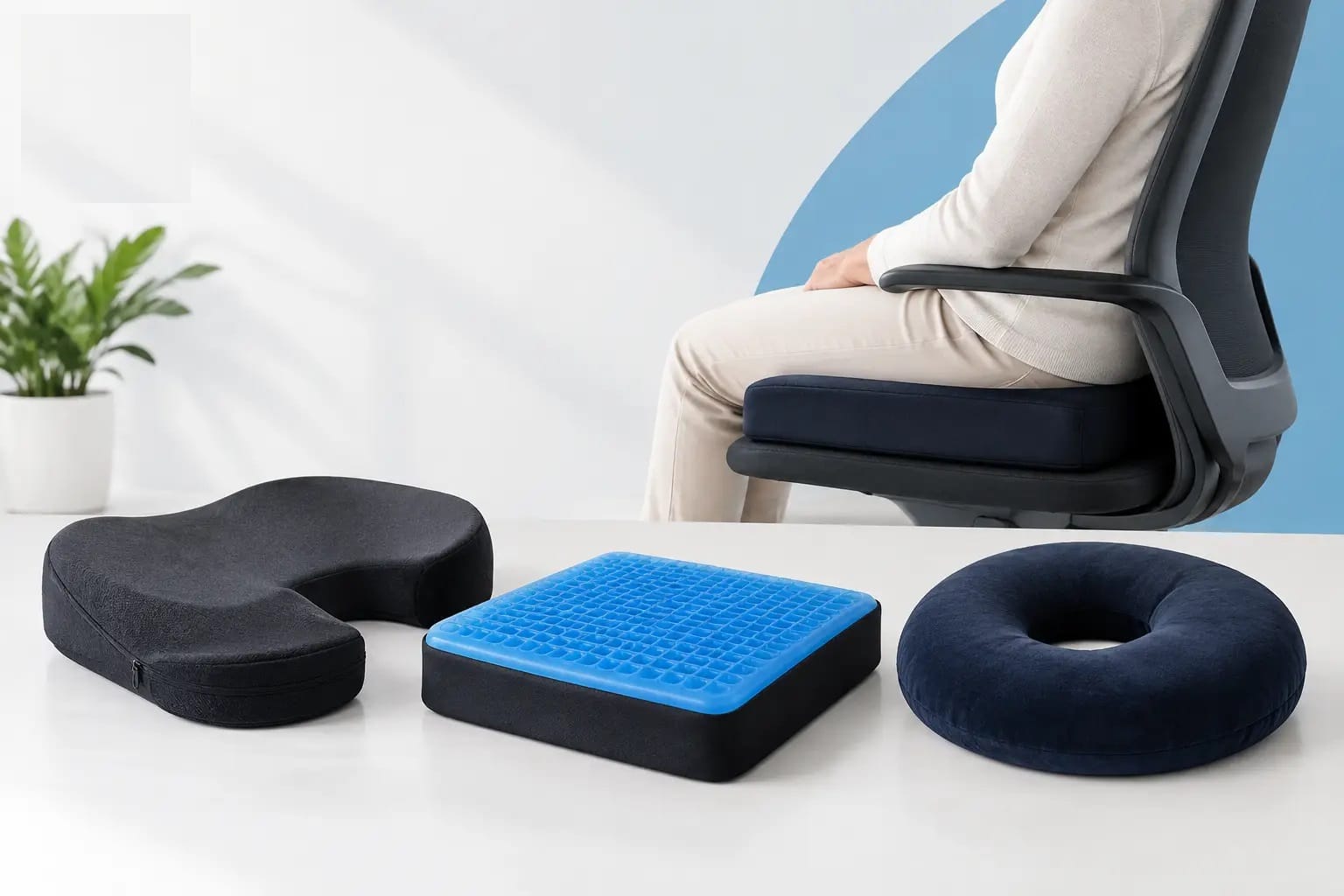
A cushion that simply feels soft is not always the right answer for someone who spends long periods sitting. The best pressure care cushions are chosen around the person, their seating, their ability to move and their level of skin risk. For wheelchair users, people recovering from surgery, and anyone spending more time in an armchair, the correct cushion can support comfort and safer day-to-day seating.
Pressure care is not a one-product decision. A cushion may help redistribute pressure, improve posture and reduce the effects of prolonged sitting, but it must be the correct size, used properly and checked regularly. Where there is a pressure sore, broken skin or a high clinical risk, seek advice from a district nurse, occupational therapist or other healthcare professional before choosing equipment.
What makes a pressure care cushion suitable?
Pressure damage can develop when the skin and tissue underneath are exposed to sustained pressure, friction or shearing. This is more likely around bony areas such as the tailbone, hips and buttocks. Limited movement, reduced sensation, poor circulation, weight loss, continence needs and certain health conditions can all increase the risk.
A suitable cushion does more than add padding. It should spread weight over a wider area, support a stable sitting position and work with the chair or wheelchair being used. If a cushion raises the user too high, allows them to slide forwards or makes footrests incorrectly positioned, it can create new problems rather than solve existing ones.
Comfort remains a useful starting point, but it is only one part of the decision. The user should be able to sit with their pelvis supported, their feet resting securely where possible, and without feeling as though they are sinking, leaning or sliding.
Types of the best pressure care cushions
Different cushion constructions suit different seating needs. Product choice should be guided by how long the cushion will be used, the user’s mobility and any professional risk assessment.
Foam pressure care cushions
Foam cushions are widely used in armchairs, dining chairs and wheelchairs. High-density, contoured foam can provide a supportive surface while helping distribute weight more evenly than a standard chair cushion. They are often a practical choice for people at lower to medium risk who need additional comfort and postural support.
Foam can compress over time, particularly where the cushion is used every day. Check that it returns to shape after use and that it has not developed flattened areas. A foam cushion that has lost its structure may no longer offer the intended support.
Gel and gel-foam cushions
Gel cushions use a gel layer or inserts to help spread pressure and can feel cooler than some foam-only designs. Many combine gel with foam to give a balance of stability and comfort. They can be a good option for users who find ordinary foam warm or who need more immersion around prominent bony areas.
The trade-off is weight. Gel cushions can be heavier to lift in and out of a wheelchair, which matters for users and carers who travel regularly or need to transfer equipment between chairs.
Air-cell cushions
Air-cell cushions contain interconnected air sections that can adjust to the user’s shape. They are commonly considered for people with higher pressure-care needs, especially wheelchair users who sit for extended periods. Some designs allow the air level to be adjusted, but this must be done correctly for the cushion to work as intended.
They can provide effective pressure redistribution, but require more routine checks than a basic foam cushion. An incorrectly inflated air cushion may be unstable or fail to provide adequate support. Punctures, valve condition and cover placement should also be checked as part of normal use.
Hybrid and alternating cushions
Hybrid cushions combine materials such as foam, gel and air to provide a particular balance of support, comfort and pressure redistribution. Alternating air cushions use a powered pump to change pressure across different cells and are generally used where clinical assessment identifies a higher level of need.
These cushions can be highly specialised. Consider the user’s tolerance for movement and sound, access to a power supply, transfer method and ability to manage the equipment. They are not automatically the best option for every person at risk.
Choosing a cushion for a wheelchair or armchair
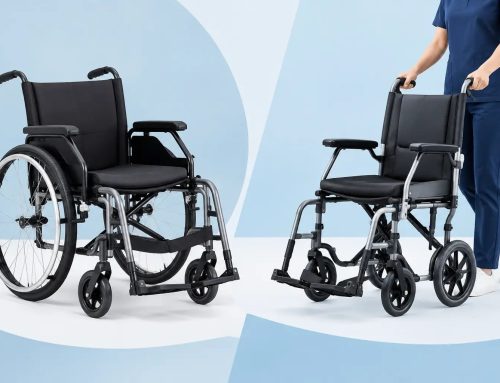
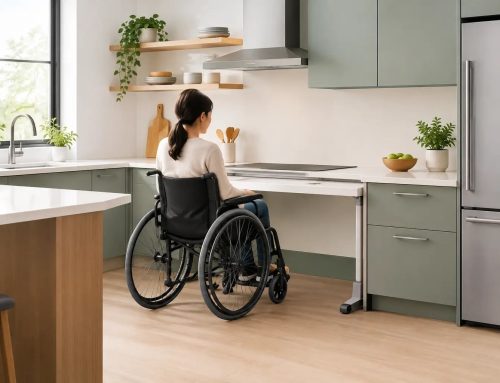
The chair itself is part of the pressure-care system. A good wheelchair cushion can perform poorly if the wheelchair is too wide, the backrest provides little support or the footplates are set at the wrong height. Similarly, an armchair cushion needs to suit the seat depth, arm height and overall firmness of the chair.
Start by measuring the seating area. The cushion should support the user without overhanging the sides or leaving a large unsupported gap. A cushion that is too narrow may not protect the thighs properly, while an oversized cushion can affect transfers and seating stability.
Consider the user’s typical routine. Someone using a wheelchair for several hours each day needs a different level of consideration from someone who uses a dining chair for short meals. For a person who alternates between a rise recliner, wheelchair and bed, pressure care should be considered across all of those surfaces rather than treating one cushion as the complete solution.
Transfers also matter. A deep or highly contoured cushion can make it harder for some users to stand safely, while a very slippery cover may increase the chance of sliding. Where a hoist, transfer board or swivel aid is used, check that the cushion does not interfere with the transfer method.
A practical buying checklist
Before selecting a pressure care cushion, confirm the following points:
- The user’s known pressure-care risk and whether clinical advice has been given.
- The chair or wheelchair dimensions, including seat width, depth and backrest position.
- How many hours a day the cushion will normally be used.
- Whether the user can change position independently or needs carer support.
- The need for a wipe-clean, vapour-permeable or incontinence-friendly cover.
- The user’s weight, posture, transfer needs and preferred sitting position.
A removable, washable cover is often useful for everyday hygiene. However, avoid replacing a specialist cover with a thick household cover, folded blanket or extra cushion unless advised. Extra layers can change how the cushion performs and may increase heat, friction or instability.
Fit, positioning and daily checks
Even the right cushion needs correct positioning. Place it flat on the chair with the cover fitted as intended. If the cushion has a front, back or directional label, follow it. The user should sit fully back in the chair rather than perched on the front edge, with clothing smooth beneath them where possible.
Check the cushion every day for obvious wear, flattening, damaged seams, loose valves or changes in shape. Air cushions should be checked according to their instructions, and powered systems need the pump, tubing and alarm function checked routinely. Keep the cushion clean and dry, particularly where continence is a concern.
Skin checks should form part of the routine for anyone at increased risk. Look for persistent redness, discolouration, warmth, hardness, swelling, pain or broken skin, especially around the buttocks, hips and tailbone. Redness that does not fade after pressure is relieved needs prompt clinical advice. Do not continue to rely on a cushion alone if there are signs of skin damage.
Repositioning is still necessary. Where someone cannot shift their own weight, a carer may need to support regular position changes in line with their care plan. A pressure care cushion supports seating, but it does not remove the need for movement, suitable nutrition, hydration, skin care and a properly adjusted chair.
When specialist assessment is needed
A specialist assessment is strongly recommended for people with an existing pressure ulcer, a history of recurring pressure damage, severe postural asymmetry, reduced sensation or a major change in weight or mobility. It is also sensible after discharge from hospital, following a stroke or spinal injury, or when a current cushion no longer feels stable or supportive.
An occupational therapist, physiotherapist, seating specialist or tissue viability nurse can assess the full picture, including posture, transfers, wheelchair set-up and the surfaces used through the day and night. This helps prevent a purchase based solely on cushion material or price.
For everyday purchase support, Sheen Mobility can help customers compare pressure care cushion styles alongside wheelchair and seating requirements. The most useful choice is the one that fits the person, fits the chair and can be used consistently as part of a wider pressure-care routine.