


A bed-to-chair transfer can happen several times a day, so small details make a real difference. The right chair height, firm footwear and a clear route can make transferring from bed to chair more comfortable and reduce the risk of a fall, strain or loss of confidence.
The safest method depends on the person’s strength, balance, pain levels, ability to follow instructions and whether they can take weight through one or both legs. A transfer that is suitable after a short hospital stay may not be suitable for somebody with a progressive condition, severe arthritis or limited trunk control. If there has been a recent fall, surgery, stroke or sudden change in mobility, seek advice from an occupational therapist, physiotherapist or other relevant healthcare professional before attempting a new technique.
Start with the right transfer set-up
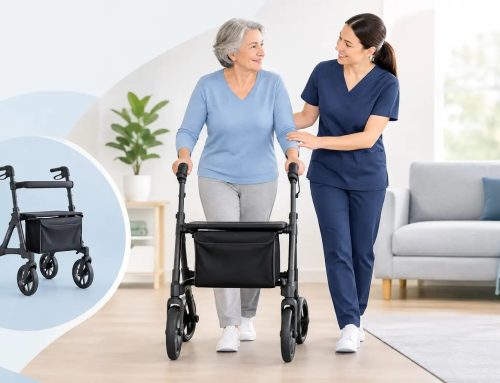
Good preparation often matters more than physical effort. Position the chair on the person’s stronger side where possible, close enough to avoid twisting or taking unnecessary steps. Remove footstools, loose rugs, trailing leads and other hazards between the bed and chair.
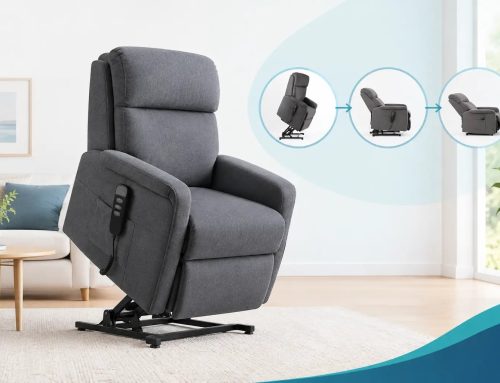
Choose a stable chair with armrests, a firm seat and a height that allows the person’s feet to sit flat on the floor. Low, soft armchairs can be difficult to rise from because they place the knees above the hips and offer little support for pushing up. A rise recliner chair may be more suitable where standing from a standard chair is becoming difficult.
Before moving, check that the bed is at an appropriate height. When sitting on the edge of the bed, the person should usually be able to place both feet securely on the floor without dropping down or perching on tiptoe. A profiling bed can be adjusted to support a safer sitting position and can reduce the effort needed to move from lying to sitting.
Make sure walking aids are within reach but not so close that they create a trip hazard. If using a wheelchair, apply both brakes, move or remove footplates and swing away detachable armrests if the wheelchair design allows. Never rely on a wheelchair’s brakes alone if it is positioned on an uneven surface.
Moving from lying to sitting
The first stage is sitting safely at the edge of the bed. If the person can assist, ask them to bend their knees, roll onto their side and bring their legs over the edge while pushing their upper body up with their arms. This is generally easier than trying to sit straight up from a flat lying position.
A bed rail, bed lever or grab handle can provide a useful handhold for somebody who has enough arm strength to use it safely. These aids are not suitable for everyone, particularly where there is a risk of becoming trapped or confused by the equipment. The product must be compatible with the bed, securely fitted and assessed for the individual user.
Once upright, allow time before standing. Sitting at the bedside for a moment can help somebody who experiences dizziness, low blood pressure or breathlessness. Check that they feel steady and that both feet are positioned underneath or slightly behind their knees.
Transferring from bed to chair using a standing pivot
A standing pivot transfer is often appropriate for a person who can bear weight through their legs, follow simple instructions and maintain reasonable balance with support. It should not be used if their knees buckle unexpectedly, they cannot stand with assistance, or pain makes weight-bearing unsafe.
The person should move forwards on the bed, place their feet firmly on the floor and use the bed or chair armrests to push up. They should avoid pulling on a walking frame, as it may tip or move. Once standing, they turn in small steps towards the chair rather than twisting at the waist.
When the backs of their legs touch the chair, they should reach back for the armrests, bend their knees and lower themselves in a controlled way. The carer should stay close enough to guide and support, but should not try to lift the person under the arms. This can cause shoulder injury to the person and back strain to the carer.
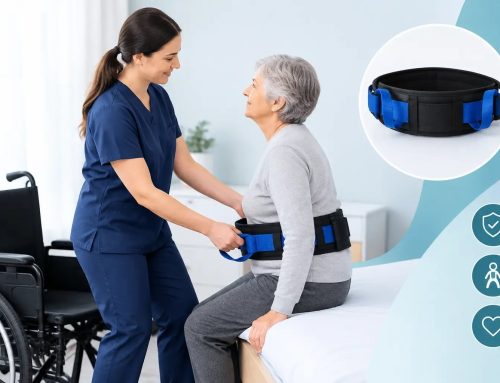
A transfer belt can give a carer a safer, more secure point of contact around the person’s waist. It is designed for guidance and steadying, not for lifting somebody who cannot take their own weight. The belt should fit comfortably over clothing, be used according to its instructions and never be placed over painful wounds, feeding tubes or areas affected by surgery without professional advice.
Protecting the carer’s back
Carers are often injured when they reach, pull or attempt to take another adult’s full body weight. Keep the transfer short, stand close, adopt a stable stance and move with the person rather than against them. Avoid twisting while holding on. If one person cannot complete the transfer without significant effort, the answer is usually different equipment or a two-person care plan, not greater force.
When a seated transfer aid is more suitable
Some people can move sideways between surfaces but cannot stand safely. In this situation, a transfer board may help bridge the gap between the bed and a wheelchair or chair. The surfaces should be close together and at a similar height, with brakes applied where relevant.
Transfer boards require upper-body strength, balance and enough skin protection to prevent shearing. They are not a simple solution for every wheelchair user, and poor placement can lead to slipping. A professional demonstration is strongly recommended before using one independently.
For somebody who has some standing ability but needs more support, a standing transfer aid can assist with rising and turning. These aids commonly include a stable base, knee supports and handholds. They may suit planned transfers between bed, chair, toilet and commode, but the user still needs sufficient leg strength, sitting balance and ability to hold on.
Where the person cannot reliably bear weight or has very limited control of their body, a mobile hoist and correctly sized sling may be needed. Hoisting is a care procedure, not simply a piece of equipment to buy and try. Sling selection, attachment points, leg positioning and the number of carers required must be assessed properly. A poorly matched sling can be uncomfortable and unsafe.
Choosing equipment for the person and the home
The best transfer aid is the one that matches the person’s current ability and the space available. Consider the width of doorways, floor type, bed clearance, chair design, turning space and whether the equipment will be used by one carer or several. A compact bedroom may make a full-size hoist difficult to manoeuvre, while carpet can affect how easily some wheeled aids move.
It is also worth considering changes over time. Following a knee replacement, a raised chair, bed lever and temporary walking aid may be enough during recovery. For a long-term neurological condition, a profiling bed, rise recliner and hoist may provide more consistent support as needs change.
At Sheen Mobility, transfer aids sit alongside beds, seating, wheelchairs and daily living equipment, making it easier to consider the whole routine rather than treating each item in isolation. Measurements and product specifications should always be checked carefully before purchase, especially user weight limits, seat heights and required operating space.
Common mistakes to avoid
Do not rush a transfer because the person has done it successfully before. Fatigue, medication, illness and changes in pain can all affect mobility from one day to the next. It is sensible to pause if the person appears unsteady, confused, pale or short of breath.
Avoid letting someone hold around a carer’s neck or shoulders. This can pull both people off balance and places pressure on the carer’s spine. Likewise, do not use unstable furniture, towel rails or a wheeled bedside table as support.
Clothing and footwear matter too. Long nightwear can catch under feet, while slippery socks increase the risk of sliding. Supportive, non-slip footwear is usually the better choice for anyone who will be standing during the transfer.
Build confidence one transfer at a time
A safe transfer should feel planned, calm and repeatable. Keep the same chair position where practical, use the same clear prompts and allow enough time for the person to take part at their own pace. Independence may mean completing the transfer alone, but it can also mean using the right aid to do as much as possible safely.
If transfers are becoming harder, do not wait for a fall to review the set-up. A small change to the bed, chair height or transfer equipment can make daily routines less demanding and help both the user and carer feel more secure.