

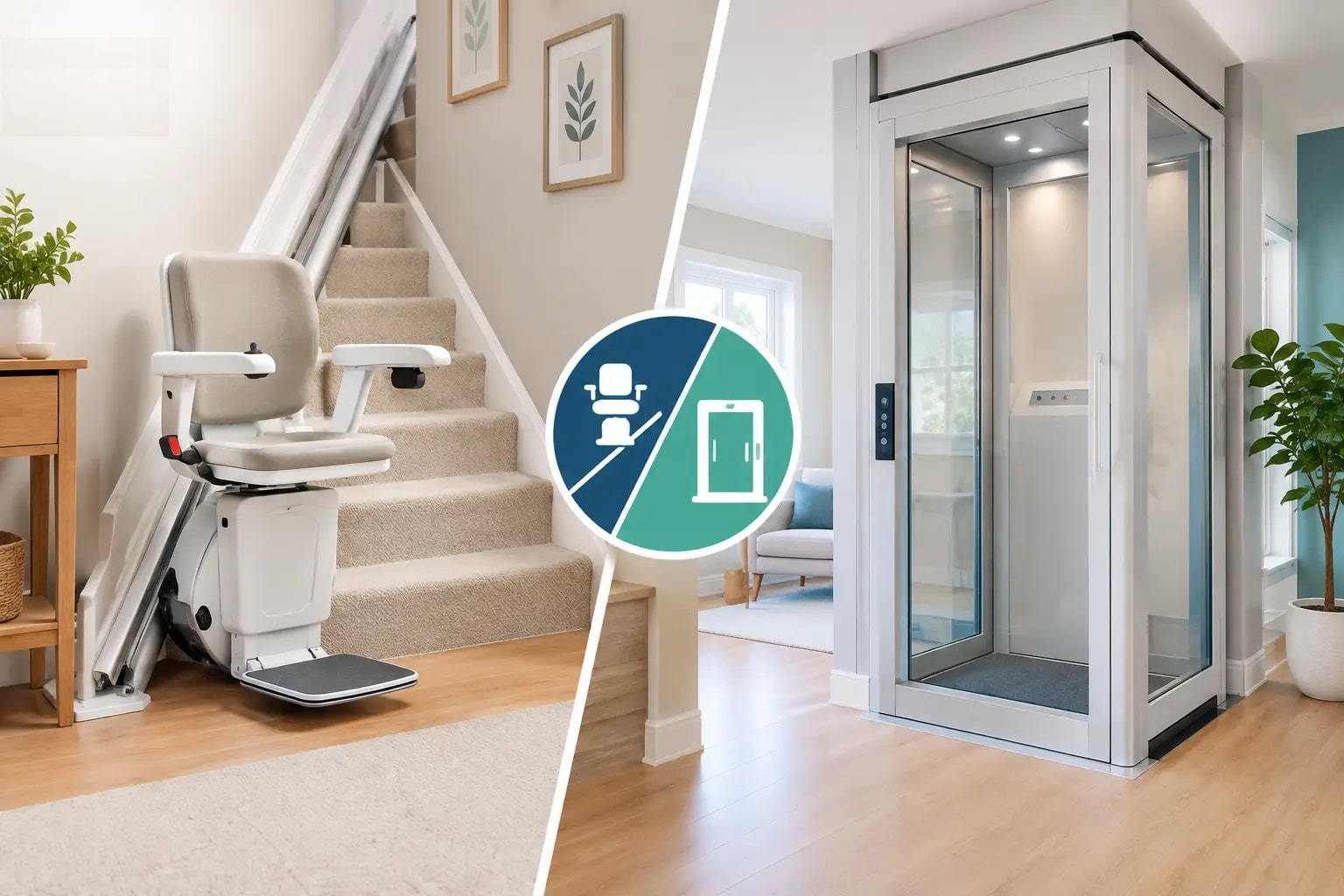
A staircase can become a daily barrier long before moving home feels realistic. When comparing stairlift vs homelift costs, the purchase price is only part of the decision. The shape of the property, the user’s current and future mobility needs, and the amount of building work required can make either option better value.
A stairlift is usually the lower-cost route to safer access between floors. A homelift requires more investment, but can offer greater flexibility for wheelchair users, carers and households planning for long-term accessibility.
Stairlift vs homelift costs at a glance
For a typical UK home, a new straight stairlift often starts at around £2,000 to £3,000 supplied and fitted. Curved stairlifts are commonly more expensive because the rail is made to follow the individual staircase, with prices often beginning around £5,000 and increasing for complex layouts.
A domestic homelift generally starts from around £15,000 to £20,000 installed. Depending on the lift size, number of floors served, finish, structural alterations and specification, costs can reach £30,000 or more.
These are useful starting points rather than fixed prices. A home survey is needed to confirm what will work safely in a particular property and what is included in the installation.
What you are paying for with a stairlift
A stairlift carries one person up and down an existing staircase on a rail. It is available in seated and perch-style designs, with controls positioned on the chair and call stations at each end of the stairs. Most models fold away when parked, helping to preserve access for other people using the staircase.
The main cost difference is between straight and curved rails. A straight stairlift uses a standard rail cut to length, so it is faster and more economical to supply. A curved rail is manufactured for the bends, landings and changes in gradient on the staircase. This makes it a more tailored product and increases the price.
Other factors can affect the quotation, including whether the staircase is narrow, whether a powered hinge is needed to avoid blocking a doorway, the chosen seat style and the required weight capacity. Outdoor stairlifts are also available, but need weather-resistant components and may cost more than an equivalent indoor model.
Installation is normally relatively straightforward. In many cases, the rail is fixed to the stair treads rather than the wall, so extensive structural work is not usually required. A competent installer will check clearances, stair condition, power arrangements and safe transfer points before fitting.
Ongoing stairlift costs
Modern stairlifts are battery powered and charge from the mains. Electricity use is generally low, particularly when compared with the initial purchase cost. The batteries will eventually need replacing, and regular servicing is sensible to keep safety features, charging points and moving parts in good working order.
For short-term rehabilitation following an operation or injury, stairlift hire may be worth considering where available. It can reduce the upfront commitment, although it may not be the most economical option for long-term use.
What you are paying for with a homelift
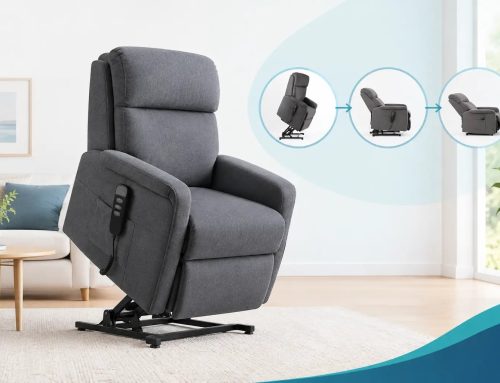
A homelift, sometimes called a domestic lift, travels vertically between floors through a dedicated lift shaft, enclosed structure or opening in the floor. It can be suitable for a standing user, seated user, wheelchair user or person accompanied by a carer, depending on the model and platform size.
The higher price reflects the equipment as well as the installation work. Unlike a stairlift, a homelift usually requires openings through floors, structural assessment, electrical work and finishing around the lift entrance. Some properties also need alterations to doors, joists, ceilings or flooring.
A two-stop lift between ground and first floor is the most common arrangement. Adding another floor, a larger cabin, automatic doors, a through-floor design, wheelchair access or a higher load capacity will increase the overall cost. Cosmetic finishes and glazed panels can also add to the specification.
Building work can be the deciding cost
The lift itself is not always the largest item on the quotation. In an older property, restricted space or unusual construction can make building work more involved. The position of services such as pipework, wiring and radiators may need to be changed. Floors and ceilings need to be made good after installation, and any decorating is often separate from the lift supplier’s scope.
It is worth asking for costs to be clearly separated into lift supply, installation, building work and any finishing work. This makes it easier to compare quotations fairly and avoids treating a low equipment price as the full project cost.
A homelift installation may also require Building Regulations approval or other permissions, depending on the work involved and the property. Your installer or building contractor should explain the process for your project. Listed buildings, leasehold properties and flats can bring additional requirements, so check these before committing to a design.
Which option is better value?
A stairlift is usually better value when the user can safely transfer onto a seat, can manage the landing at both ends of the stairs, and does not need to take a wheelchair between floors. It is a practical choice for many people who want to remain in a familiar home without major alteration.
A homelift can represent better long-term value where the user relies on a wheelchair, has limited ability to transfer, or needs space for a carer. It can also help avoid the disruption of relocating bedrooms and washing facilities downstairs. For a couple planning ahead, it may provide a more future-proof route through the home, although it takes up more floor space than a folded stairlift.
There is also a household consideration. A stairlift is fitted to the main staircase and other residents continue to use the stairs. A homelift offers an alternative route between floors, which may be useful where more than one person has mobility needs. On the other hand, it requires space on every level, and that space must be available without making bedrooms, halls or living areas impractical.
Questions to ask before accepting a quote
Start with the daily routine rather than the equipment. Consider who will use the solution, whether they use a walking frame or wheelchair, and whether their condition is expected to change. A product that works today may not be suitable if transfers become harder in future.
Ask whether the quoted price includes the survey, installation, electrical work, removal of an existing lift or stairlift, and making good afterwards. Confirm the warranty period, servicing options, call-out arrangements and expected battery replacement costs. For a homelift, check who is responsible for structural work, Building Regulations and final decorating.
It is also sensible to ask how the product will be removed if circumstances change. Stairlifts can often be removed with limited reinstatement. A homelift is a more substantial alteration, although it may be an attractive feature for a future buyer who needs accessible accommodation.
Can VAT relief reduce the cost?
Some mobility equipment and installation work may be eligible for VAT relief when supplied to a qualifying disabled or chronically sick person for personal or domestic use. Eligibility depends on the individual circumstances and the nature of the work. Suppliers usually need a completed eligibility declaration before applying zero-rated VAT.
Do not assume every part of a larger home adaptation will qualify. Building work, decorative work and items supplied for general household use may be treated differently. Ask for VAT to be shown clearly on the quotation and seek advice if the position is unclear.
Choosing the right route for your home
The lower upfront cost of a stairlift makes it the clear starting point for many households. But cost should not force a compromise on safe transfers, wheelchair access or the support a person needs from a carer. A measured survey and an honest discussion of everyday mobility will usually show whether a stairlift is the sensible answer or whether a homelift is worth the additional investment.
If you are comparing options for a parent, partner or your own home, take measurements, note the difficult parts of the daily routine and request an itemised survey. The right choice is the one that keeps every floor usable with the least disruption to everyday life.