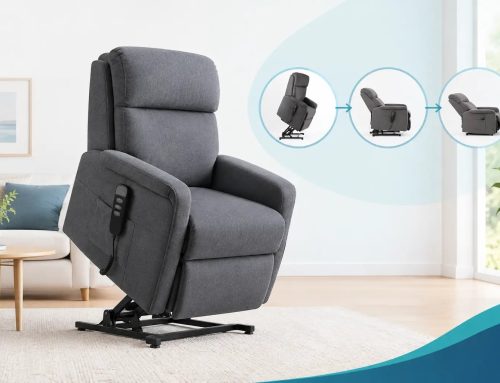



A rise recliner is often bought when ordinary seating has stopped working properly. That might mean difficulty getting up without help, discomfort after sitting for a short time, or poor leg and back support through the day. If you are looking for the best rise recliner chair, the right choice usually comes down to fit, support and how the chair will be used in real day-to-day life.
This is not a product where the most expensive option is automatically the best. A chair can have more functions, more positions and more padding, but still be the wrong choice if the seat depth is awkward, the backrest shape does not suit the user, or the rise function feels too abrupt. For many buyers, especially families purchasing for a parent or partner, the best option is the one that makes sitting down, resting and standing up safer and easier every day.
What makes the best rise recliner chair?
The best rise recliner chair is one that matches the user’s body size, support needs and routine at home. Comfort matters, but proper seating posture matters just as much. If the seat is too deep, the user may struggle to sit back fully. If it is too high, feet may not rest flat on the floor. If it is too low, standing up can remain difficult even with the rise function.
A good rise recliner should support the back, hips and legs without forcing the body into an uncomfortable position. It should also move in a controlled way. The lifting action needs to feel steady and predictable, particularly for older users or anyone with reduced strength, arthritis, joint pain or balance problems.
There is also a practical side to choosing well. The chair needs to suit the room, allow enough space to recline, and be simple to operate. Buyers sometimes focus on appearance first, but in this category, measurements and seating support should lead the decision.
Start with fit before features
Size is usually the first thing to get right. Rise recliners are often available in small, standard and larger sizes, and some models suit broader or taller users better than others. A chair that looks generous may not give proper support if the proportions are wrong.
When seated, the user should be able to place both feet flat on the floor with knees bent comfortably. Their back should rest naturally against the backrest, and there should not be a large gap behind the lower back. The seat depth should allow support under the thighs without pressing into the back of the knees.
Arm height matters too. If the arms are too low, support when repositioning is reduced. If they are too high, shoulders can feel lifted and tense. For users who spend long periods in the chair, these details have a direct effect on comfort.
If the chair is being bought for someone recovering from surgery or living with an ongoing condition, correct sizing becomes even more important. Pressure, posture and ease of transfer all depend on it.
Single motor or dual motor?
This is one of the most common buying decisions. A single motor rise recliner generally moves the backrest and footrest together. It is straightforward to use and often suits buyers who want simple operation without too many adjustments.
A dual motor chair allows the backrest and footrest to move independently. That gives more flexibility for positioning, which can be useful for people who need to elevate their legs without reclining fully, or who spend extended time sitting in the chair through the day.
Neither option is automatically better. It depends on the user. If the priority is ease of use and occasional reclining, a single motor model may be enough. If the chair will be used for long sitting periods, daytime rest or more tailored support, dual motor adjustment is often the stronger choice.
Comfort features that actually matter
Padding alone does not guarantee comfort. In fact, very soft seating can sometimes make transfers harder and reduce support over time. A supportive seat with the right firmness is usually better than one that feels overly plush in the showroom but offers less stability in regular use.
The backrest style can make a noticeable difference. Some users prefer a waterfall back, which offers adjustable cushions and can help fine-tune support. Others may be more comfortable with a lateral or button back, depending on posture and pressure needs.
Upholstery is another practical choice. Fabric can feel warm and comfortable in daily use, while easy-clean finishes may be more suitable in homes where spills, continence needs or regular cleaning are part of everyday care. The right material is not just about appearance. It should match the user’s routine and the level of maintenance the household can manage.
Think about mobility needs, not just seating
A rise recliner is often part of a wider picture. The user may have arthritis, reduced balance, swelling in the legs, back pain, Parkinson’s, stroke recovery needs or general weakness after illness. These factors affect which chair will work best.
For someone with limited hand strength, the handset should be easy to hold and simple to understand. For a user with poor circulation or swollen ankles, leg elevation may be particularly useful. For someone who struggles with transfers, the rise action needs to bring them forward into a stable standing position rather than pushing too sharply.
This is where specialist advice can make a difference. A chair may look similar to another model on paper, yet feel very different in use. Practical guidance on seat height, motor type and support style can help avoid an expensive mistake.
Room space and setup often get overlooked
Before ordering, it is worth checking the available space carefully. Rise recliners need room not only for the chair itself, but also for full recline and safe access around it. In smaller living rooms, the depth of the chair when extended can be a deciding factor.
Think about where the user will get in and out, whether there is a side table for medication or drinks, and how the power cable will run without creating a trip hazard. If the chair is replacing an existing armchair, it is best not to assume the footprint will be similar.
Delivery access matters as well. Doorways, hallways and tight corners can all affect whether a chair can be brought into the property smoothly.
When a riser recliner should do more than rise and recline
Some buyers need more than the standard functions. If the chair will be used for extended sitting, pressure management and posture support may need closer attention. If the user naps in the chair regularly, positioning options become more important. If transfers are particularly difficult, seat height and rise angle need to be considered carefully.
In these cases, the best rise recliner chair is not simply the one with the longest feature list. It is the one that suits the person’s health needs without making operation complicated. Extra features are only useful if they improve daily use.
That is also why a broad specialist range matters. A retailer such as Sheen Mobility can support buyers who are comparing standard riser recliners with more tailored seating options, rather than treating every customer need as if it were the same.
Common mistakes to avoid
One of the biggest mistakes is buying by appearance alone. A chair may match the room well but still offer poor support. Another is guessing the size rather than measuring properly. This often leads to chairs that feel uncomfortable within days of use.
Some buyers also choose a chair based only on current needs, even when mobility is likely to change. If the user’s condition is progressive, a little more flexibility in positioning may be worth having from the start. On the other hand, overcomplicating the chair can be unhelpful if the user wants very simple controls and minimal adjustment.
Price should be considered realistically too. A cheaper chair that does not fit properly is poor value. A more expensive model with features the user will never use may not be good value either.
What to check before you buy
It helps to have a few essentials confirmed before making a final choice. Check the seat height, seat width and seat depth against the user’s build. Confirm whether a single or dual motor setup is more suitable. Look at the upholstery in terms of comfort and cleaning, not just colour. Make sure there is enough space for recline and safe access in the room.
Most importantly, think about how the chair will be used across a normal week. Is it mainly for evening sitting, or for much of the day? Does the user need help to stand now, or are they trying to stay independent for longer? Is posture support just as important as comfort? These questions usually lead to a better decision than focusing on specifications alone.
Choosing the right rise recliner is not about finding a chair that does everything. It is about finding one that does the right things well, every day, in the home where it will be used.