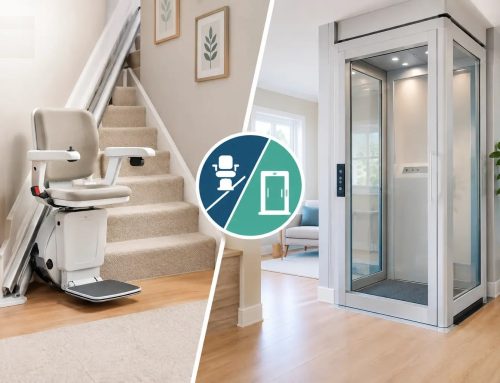



When stairs start to feel like the hardest part of the house, cost usually becomes the next question. If you are asking how much does a stairlift cost, the short answer is that prices vary widely depending on the staircase, the lift type and whether you are buying new, reconditioned or for short-term use.
For most UK homes, a straight stairlift is the lowest-cost option, while curved stairlifts cost more because they are built to match the shape of the staircase. Installation, optional upgrades, servicing and any electrical work can also affect the final figure. That is why headline prices can be useful as a starting point, but they rarely tell the whole story.
How much does a stairlift cost for most homes?
A basic straight stairlift in the UK often starts from around £2,000 to £3,500 supplied and fitted. If you are looking at a reconditioned model, the price may come down, sometimes into the £1,500 to £2,500 range depending on condition, availability and warranty cover.
A curved stairlift is usually a bigger investment. In many cases, prices start at around £4,000 and can rise to £7,000 or more. The reason is simple: the rail is made to fit your staircase rather than taken from a standard stock size. If the stairs have bends, intermediate landings or a tighter layout, that custom work increases the cost.
These ranges are useful for budgeting, but they are still estimates. Two houses on the same street can end up with very different quotations if the stair layouts differ.
What affects how much a stairlift costs?
The staircase itself is the biggest factor. Straight stairs are simpler to measure, quicker to fit and use standard rails. Curved stairs need a made-to-measure rail, which adds design, manufacturing and fitting complexity.
The length of the staircase matters too. A longer run of rail usually means a higher price. If the lift needs to travel around corners or across a half-landing, the cost rises again.
The model you choose also makes a difference. Some users need a compact design because the staircase is narrow. Others may need a heavier weight capacity, a powered swivel seat, a folding hinge rail at the bottom, or controls that are easier to use with limited hand strength. These features can improve day-to-day use, but they do increase the overall price.
Brand, warranty and aftercare matter as well. A cheaper quote is not always the better long-term option if servicing is limited or replacement parts are difficult to source. For many households, reliability and local support are just as important as the starting price.
Straight stairlift vs curved stairlift costs
If your stairs go directly from one floor to the next without turning, a straight stairlift is generally the most cost-effective route. It is also usually faster to supply and install because the rail does not need to be manufactured specifically for your home.
A curved stairlift suits staircases with bends, corners or split levels. It offers the right fit for more complex properties, but that fit is exactly why it costs more. There is no practical shortcut here. A curved rail has to follow the staircase accurately, or the lift will not travel safely and smoothly.
This is why some people are surprised by quotations. They may expect the chair itself to be the expensive part, when in reality the rail design and stair configuration often drive the final price.
New, reconditioned or rental?
Buying new is the standard option for households planning for ongoing use. You get a full product life ahead of you, current model features and, in most cases, stronger warranty support. For someone with a long-term mobility need, new can make the most sense over time.
A reconditioned stairlift can reduce upfront cost. This is often most suitable for straight staircases, where standard rails make resale and reuse more practical. It can be a sensible option if budget is tight, provided the lift has been properly inspected, tested and supplied with clear warranty terms.
Rental can work well when the need is temporary, such as after surgery or during rehabilitation. In those cases, the question is not only how much does a stairlift cost to buy, but whether buying is necessary at all. Rental agreements often include installation, removal and servicing, though there may still be an initial fitting charge and monthly rental fees.
The trade-off is straightforward. Rental lowers the initial outlay but can cost more over a longer period. Buying costs more at the start but may be better value if the stairlift will be used for years.
Are there extra costs beyond supply and fitting?
Sometimes yes, although not every installation needs them. One common extra is a hinged rail. This is used where the rail would otherwise obstruct a doorway, hallway or walk-through area at the bottom of the stairs. A powered hinge adds convenience, but it adds to the price.
You may also find that a powered swivel seat, upgraded seat style or higher-capacity model increases the quotation. These are not cosmetic decisions for many users. They can be essential for safer transfers on and off the stairlift.
Ongoing servicing is another cost to consider. Like any mobility equipment used regularly, a stairlift benefits from routine maintenance. Batteries may also need replacement over time. These are usually not major costs compared with the original purchase, but they should still be part of the overall budget.
If the property has an unusual electrical setup or access issue, there may be additional work needed before fitting. That is less common, but it can happen in older homes or awkward layouts.
Can you get help with stairlift costs?
Some buyers pay privately, while others explore grants, local authority support or charitable funding. What is available depends on your circumstances and where you live. In some cases, a Disabled Facilities Grant may help with home adaptations, although eligibility rules and assessment processes apply.
If you are arranging a stairlift for a parent or relative, it is worth checking all available routes before committing. That said, funding can take time, and not every application is approved. If the need is urgent, some families choose to move ahead privately and treat any support as a separate matter.
A clear quotation helps here. It allows you to compare options properly and understand what is included rather than focusing only on the lowest number.
What should be included in a stairlift quote?
A proper quote should set out whether the price includes the survey, rail, chair, installation and VAT position if applicable to your circumstances. It should also confirm warranty cover and explain what happens if a fault develops after fitting.
You should also be told whether servicing is included, available as an extra, or arranged separately. If the lift is reconditioned, ask what has been replaced or refurbished and whether spare parts remain readily available.
For curved models, check whether the quote is fixed after survey or subject to change once final measurements are confirmed. This helps avoid confusion later.
For buyers comparing suppliers, this level of detail matters more than a vague starting price. A slightly higher quote can still represent better value if it includes stronger aftercare and fewer exclusions.
How to judge value, not just price
The cheapest stairlift is not always the right one. If the seat is uncomfortable, the controls are difficult to use or the rail leaves too little room on the stairs, the lower price quickly stops feeling like a saving.
Good value usually means the stairlift fits the user as well as the staircase. That includes seat height, ease of use, folding design, ride quality and after-sales support. For a daily-use product tied closely to safety and independence, practicality matters more than a stripped-back price.
This is also where specialist suppliers can be helpful. A retailer such as Sheen Mobility, with a wider accessibility range and service support, can often help customers think beyond the first number and focus on suitability, maintenance and long-term use.
So, how much should you budget?
As a working guide, many households should expect around £2,000 to £3,500 for a straight stairlift and from around £4,000 upwards for a curved stairlift. Reconditioned and rental options may reduce the initial outlay, but the right choice depends on how long the stairlift is likely to be needed and what the staircase allows.
If you are budgeting for one, leave room for optional features, servicing and any layout-specific extras. That approach is more realistic than planning around a best-case starting figure.
The most useful next step is not chasing the cheapest advertised price. It is getting a clear assessment of the staircase, the user’s needs and the total cost of ownership, so the stairlift works properly from day one and continues to do its job without added stress.