

A bath lift for an elderly person can make the difference between continuing to enjoy a proper bath and avoiding it because getting down or standing up has become difficult. It is a practical bathing aid for people who can step into the bath safely but need controlled support to lower themselves and rise again. The right model can reduce strain, support independence and make assisting a relative less demanding.
A bath lift is not the right answer for every bathroom or every level of mobility. Before choosing one, look closely at how the person transfers, the size and condition of the bath, and whether a shower, walk-in bath or wet room may be a better long-term option.
What a bath lift does
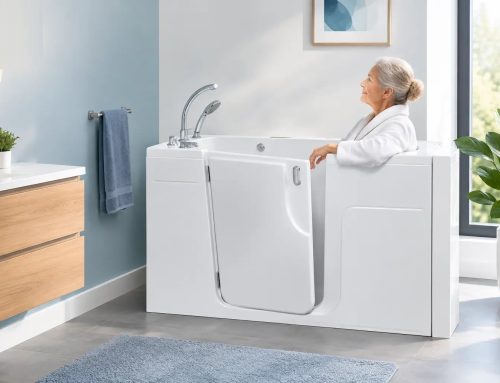
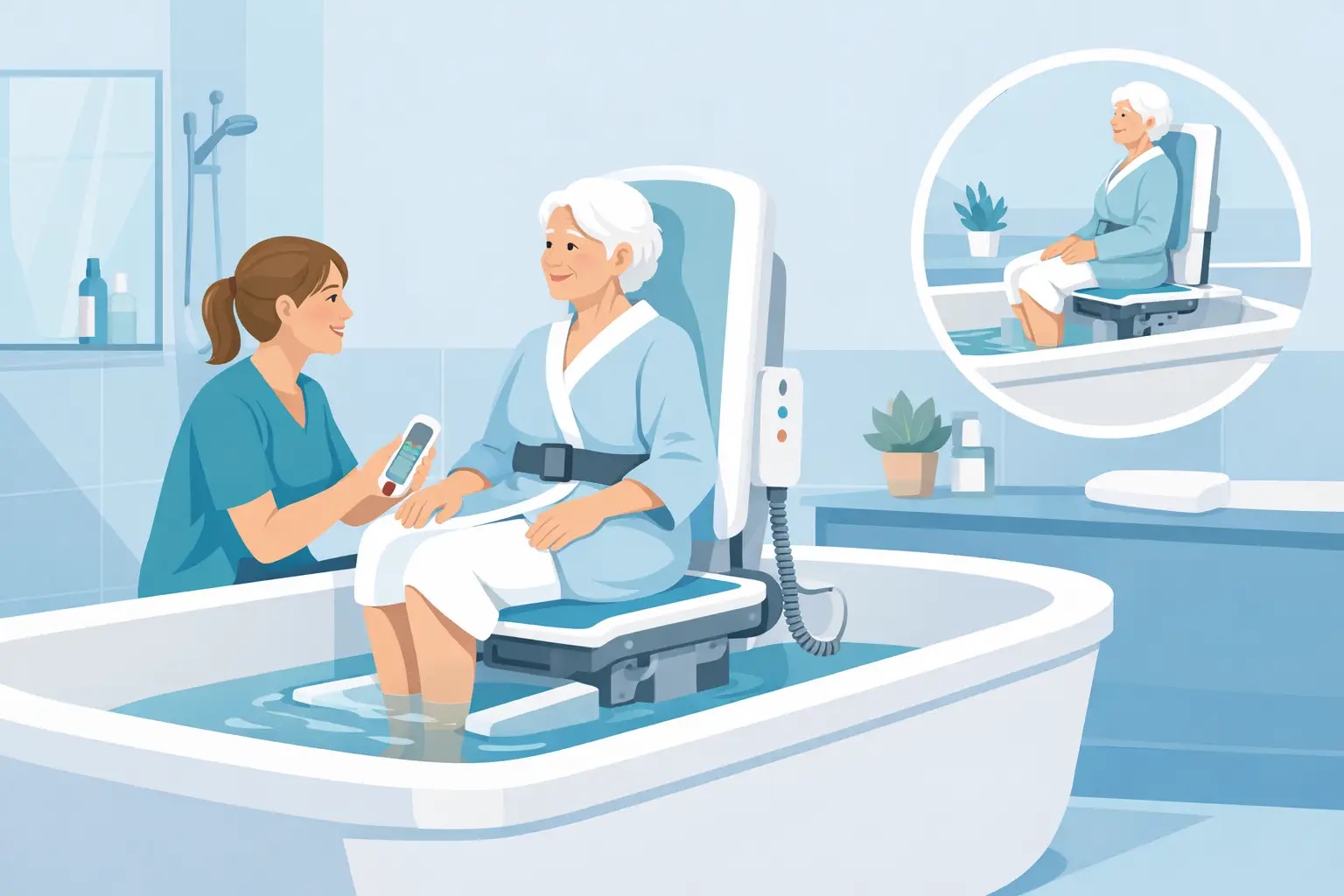
Most bath lifts have a powered seat that starts at the top of the bath, allowing the user to sit down at bath-side height. A handheld control then lowers the seat into the water and raises it again when bathing is finished. Many models also recline, helping the user achieve a more comfortable and deeper bathing position.
Unlike a fixed bath seat, a bath lift is designed to travel vertically. It normally sits inside the bath on suction feet or a stable base and can often be removed when other household members need to use the bath. Battery-powered controls are common, which avoids the need for mains electricity close to water.
The lift supports the movement into and out of the bath, but it does not remove every transfer step. The user still needs to move from a wheelchair, walking frame position or standing position onto the seat. That point is central to selecting a suitable product.
Is a bath lift suitable for the user?
A bath lift tends to suit someone who has reasonable sitting balance, can follow the control safely and can transfer sideways onto the seat with little or manageable assistance. It can be particularly useful after surgery, where knee or hip movement is restricted, or for people living with arthritis, reduced leg strength or balance concerns.
Consider a different solution if the person cannot step over the bath rim, cannot make the sideways transfer even with help, or requires close support throughout bathing. A bath board, transfer bench, shower chair or level-access shower may be more appropriate in these situations. For a person with progressing needs, it is worth considering whether a more substantial bathroom adaptation would prevent a second purchase later.
A physiotherapist, occupational therapist or other relevant healthcare professional can assess transfer ability and advise on the safest approach. This is especially useful where there has been a fall, a recent hospital discharge, significant pain, or a change in strength and mobility.
Choosing a bath lift for an elderly person
The best bath lift is the one that works safely with the user, their bathroom and the help available at home. Product appearance matters far less than a secure fit, a manageable transfer and controls the user can operate with confidence.
Check the bath dimensions first
Measure the internal length and width of the bath, including the narrowest point and the base. Also measure the height of the bath rim from the floor. These figures help confirm whether the lift base will sit flat and whether the seat will be at a practical level for getting on and off.
Do not assume a standard-looking bath will accommodate every model. Curved bases, narrow baths, shaped baths and slip-resistant surfaces can affect compatibility. Check whether the lift needs a particular clear base area and whether its suction feet are suitable for the bath material. The bathroom layout also needs enough room for a carer to stand safely if assistance is needed.
Match the weight capacity and seat size
Every bath lift has a maximum user weight. This must comfortably exceed the user’s current weight, allowing for ordinary clothing or any equipment that may be used during transfer. Never treat the stated limit as a target to reach.
Seat width, depth and side flaps also affect comfort and safety. Side flaps bridge the gap between the lift seat and bath sides, making a sideways transfer easier. A wider seat may be more supportive for some users, while a compact design can be necessary in a narrow bath. Check arm and thigh space as well as the product measurements on paper.
Consider the lowest and highest seat positions
A low bathing position allows the water to cover more of the body, which is often what users miss when moving from a standard bath to a shallow seat. A reclining backrest can improve comfort further, although the user must have enough neck and trunk control to use it safely.
The raised seat height matters just as much. A higher starting position can reduce the effort of standing and transferring, but it must still work with the bath rim and any wheelchair or mobility aid used beside the bath. It depends on the individual’s leg strength, hip movement and preferred transfer method.
Look for simple, reliable controls
Large, clearly marked hand controls are easier to manage for people with arthritis, reduced grip or impaired vision. The control should be comfortable to hold, easy to understand and positioned where it will not be dropped into an awkward place during use.
Check how the battery charges, how long it is expected to last and whether the lift provides a warning before charge is too low. Some designs will not lower if there is insufficient battery power to raise the user afterwards. This is a useful safety feature, but the battery still needs a regular charging routine.
Think about comfort and personal care
A padded, washable cover can make bathing more comfortable, particularly where skin is delicate or the person sits for longer periods. A backrest can also give useful support, although a simple seat may be easier to clean and store.
For users who need help with washing, choose a design that gives a carer reasonable access without forcing them to reach or twist. Good equipment should reduce manual handling strain, not simply move it to a less comfortable position.
Safe use at home
A bath lift should be fitted and used exactly as the manufacturer specifies. Before each bath, check that the base is correctly positioned, suction feet are secure where applicable, the battery is charged and the control is working. Keep the bathing area clear of loose mats, toiletries and trailing charging leads.
The user should sit fully back on the seat before lowering. If there are side flaps, they should be positioned correctly for the transfer. Take time when getting out: rushing is when slips, awkward twists and loss of balance are most likely to happen.
Water temperature also deserves attention. Older adults may have reduced sensation or slower reactions to excessively hot water. Use a suitable bath thermometer or thermostatic control where needed, and make sure the user can reach taps safely without stretching.
Installation, cleaning and ongoing checks
Many portable bath lifts do not need permanent installation, but that does not mean setup should be rushed. Follow the instructions for positioning, charging and removal. If the lift feels unstable, rocks on the bath base or does not lower evenly, stop using it until the issue is resolved.
Rinse away soap and bath product residue after use, then allow the seat and moving sections to dry as recommended. Regular cleaning helps maintain grip, hygiene and the condition of the upholstery or covers. Avoid harsh cleaning products unless the manufacturer confirms they are suitable.
Check the hand control, cable, battery connection, seat sections and suction feet routinely. Replacement parts and servicing can be valuable for equipment used every day. Sheen Mobility can help customers compare bathing aids alongside wider mobility equipment where a bathroom solution needs to work with existing walking aids, wheelchairs or transfer equipment.
When a bath lift may no longer be enough
Mobility needs can change gradually. A lift that was suitable after an operation may become less suitable if the user starts needing two-person assistance, finds the bath rim impossible to manage or experiences repeated near-falls during transfers. Treat these changes as a prompt to reassess the full bathing routine rather than trying to continue with equipment that no longer fits the situation.
A bath lift should make bathing feel more achievable, not create another task to worry about. Measure carefully, be realistic about transfers and choose a model that supports the person using it now while keeping their comfort and safety at the centre of the decision.