

A mattress can look perfectly comfortable while providing too little support for someone who spends long periods in bed. This pressure relief mattress guide is designed to help you identify the right type of mattress for a person’s mobility, skin condition, bed and everyday care needs. The aim is not simply a softer surface. It is a suitable pressure-redistributing system that supports safer, more comfortable rest.
Pressure relief mattresses are commonly used by people with reduced mobility, those recovering from surgery or illness, and anyone who cannot regularly change position without help. Choosing well can make daily care easier for both the user and their family or carers, but the correct option depends on individual risk rather than price alone.
What a pressure relief mattress does
When a person remains in one position for too long, sustained pressure can reduce blood flow to areas such as the heels, hips, tailbone, elbows and shoulders. If the skin and underlying tissue are unable to recover, pressure ulcers can develop. These can be painful and may require clinical treatment.
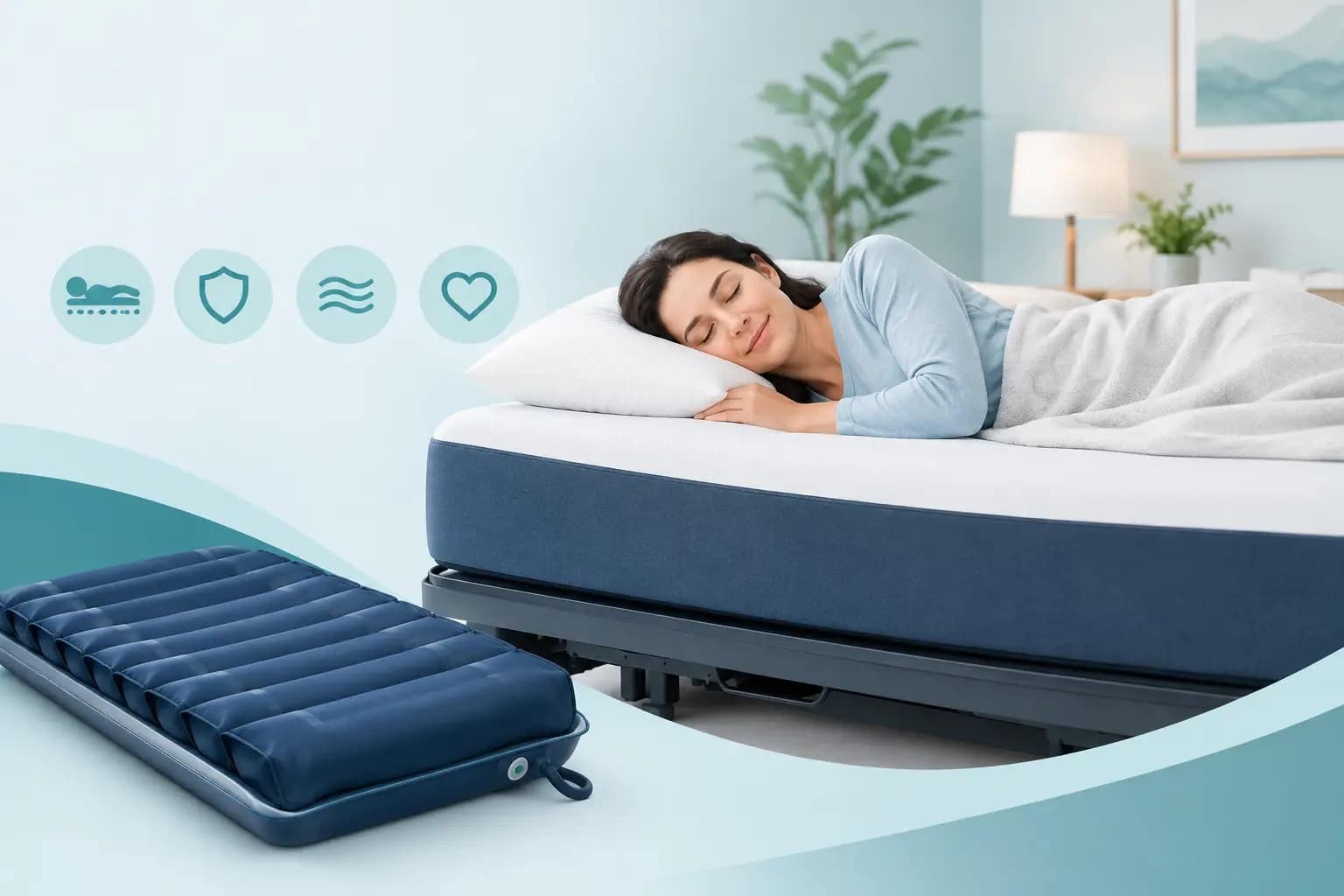
A pressure relief mattress spreads body weight over a wider area, reducing concentrated pressure at vulnerable points. Some mattresses do this with shaped foam layers; others use air cells that change pressure automatically. They are sometimes described as pressure-relieving mattresses, although no mattress removes all risk on its own.
A suitable mattress should be part of a wider care plan. Repositioning, skin checks, continence care, suitable bedding, nutrition and hydration can all matter. If a person has a current pressure ulcer, broken skin, persistent redness or a rapid change in mobility, seek advice from a GP, district nurse, occupational therapist or tissue viability nurse before buying.
Pressure relief mattress guide: start with risk
The first question is not which mattress feels nicest. It is how much pressure care the person requires. A person who can turn independently, gets out of bed each day and has healthy skin may need a different level of support from someone who is bedbound or requires assistance to reposition.
Risk may be higher where there is limited movement, frail skin, poor circulation, reduced sensation, incontinence, recent surgery, a previous pressure ulcer or significant weight loss. Someone who uses a profiling bed for much of the day may also need closer consideration, as sitting with the backrest raised can increase pressure and shear around the pelvis.
A clinical assessment is particularly valuable for people at high risk. It helps ensure the mattress specification matches the person’s condition and current care arrangements. For family members arranging equipment at home, it also provides a clear basis for selecting a product and avoiding an unsuitable purchase.
Main types of pressure relief mattress
High-specification foam mattresses
High-specification foam mattresses are static mattresses with carefully designed foam layers, often including contoured or castellated surfaces. They redistribute weight while giving a stable, familiar sleeping surface. Many are suitable for people considered at low to medium risk, subject to an appropriate assessment.
They are generally straightforward to use, quiet and require no pump. This makes them a practical choice where simplicity is a priority or where mains power is inconvenient. Check the mattress cover as well as the foam: a multi-stretch, vapour-permeable cover can help manage moisture while allowing the foam to work as intended.
Foam models vary considerably in depth, density, maximum user weight and risk category. A standard domestic foam mattress is not automatically a pressure care mattress, even if it feels soft.
Alternating air mattresses
Alternating air mattresses use a pump to inflate and deflate sections of air cells in a repeated cycle. This changes the areas of the body receiving support, helping to reduce prolonged pressure. They are often considered where a person has a higher risk level, cannot reposition independently or needs a more active pressure care surface.
These systems require a reliable power supply and correct pump settings. The pump must be positioned safely, the air hoses should not be trapped or kinked, and carers need to know what alarms mean. Some users notice the movement or sound of the pump, while others find the changing support more comfortable than a static surface.
An alternating air mattress is not always the best answer for every user. The moving surface can make transfers, standing from the bedside or independent repositioning more difficult for some people. Consider how the person gets in and out of bed, not only how they sleep.
Hybrid and specialist mattresses
Hybrid mattresses combine foam with air technology, aiming to provide a stable feel alongside enhanced pressure redistribution. Some models may offer different modes for care, transport or sitting. Specialist options can also include bariatric mattresses for higher user weights and systems designed for particular care settings.
These products can be useful where there are more complex needs, but specifications should be checked carefully. Greater capability may bring a higher cost, increased maintenance needs and more detailed setup requirements.
Check the mattress will fit the bed
A pressure relief mattress must fit the bed base correctly. Measure the internal width and length of the bed frame, then compare this with the manufacturer’s stated mattress dimensions. A mattress that is too narrow can create gaps at the sides; one that is too long, wide or deep may affect side rails, bed functions or safe transfers.
This is especially relevant with profiling beds. The mattress needs enough flexibility to follow the backrest and knee-break sections without bunching, sliding or putting strain on the cover. It should also be approved for use with that type of bed where required.
Mattress depth affects more than comfort. A deeper mattress can raise the sleeping surface, which may help some users transfer from sitting to standing but can make it too high for others. If bed rails are in use, check that the remaining rail height above the mattress is sufficient for safe use. Never add a pressure mattress or topper to a bed with rails without considering entrapment risks.
Also confirm the maximum user weight. This figure may include the person’s weight and, in some cases, bedding or accessories. Exceeding it can reduce performance and shorten the life of the mattress.
Think about everyday care and comfort
The best product is one that can be used correctly every day. For carers, this includes cleaning, moving bedding, assisting with transfers and checking the skin. For the user, it includes temperature, edge support, noise, stability and whether the surface feels secure.
A removable, wipe-clean cover is useful where continence care is needed. Covers should be inspected for tears, worn seams and damage to zips, as fluid ingress can affect the mattress core. Follow the cleaning instructions provided for the specific product rather than using harsh chemicals that may damage the material.
Avoid placing thick duvets, extra foam toppers or folded blankets beneath the person unless this has been advised as suitable. These additions can interfere with pressure redistribution. Fitted sheets should be smooth and loose enough not to create ridges or pull tightly across the mattress.
Heel pressure deserves particular attention. Heels are small, bony areas and can be vulnerable even on a good mattress. A clinician may recommend positioning methods or appropriate heel protection where needed. Do not use improvised devices that create new pressure points.
Using a pressure relief mattress safely
Once installed, check that the mattress is working as intended. With an alternating system, make sure the pump is on, hoses are connected securely and the mattress has fully inflated before use. Use the settings recommended for the person’s weight and condition, and contact the supplier or clinical team if an alarm continues.
Check the person’s skin regularly, particularly over bony areas. Redness that does not fade after pressure is removed, heat, discolouration, pain, blisters or broken skin should be acted on promptly. Darker skin tones may show changes differently, so look for warmth, tenderness, swelling, shiny areas or changes in texture as well as colour.
Pressure care needs can change after illness, a fall, reduced appetite, hospital discharge or a decline in mobility. A mattress that was suitable six months ago may no longer provide the right level of support. Reviewing the setup is a sensible part of ongoing home care.
Choosing with confidence
For a straightforward low-risk need, a quality foam pressure relief mattress may offer the comfort, stability and ease of use required. Where risk is higher or a person is unable to move independently, an alternating air or specialist system may be more appropriate following assessment. The bed, transfer routine, user weight and carer support all form part of the decision.
Sheen Mobility can help customers compare mattress types alongside profiling beds, bed accessories and other home care equipment, so the complete setup can be considered rather than buying one item in isolation. A few careful measurements and the right clinical advice can make the difference between a mattress that merely fits the bed and one that genuinely supports safer daily living.