

A walking frame that catches on door thresholds, a wheelchair that will not fit beside the bed, or a scooter that cannot be lifted into the car can quickly turn a useful purchase into an expensive frustration. Mobility aid assessments help prevent this by looking beyond the product itself and focusing on the person, their routines and the places where the equipment will be used.
For many people, reduced mobility develops gradually. Others need support following an operation, injury or diagnosis, sometimes with little time to prepare. In either case, the right aid should make everyday tasks safer and more manageable without creating new difficulties at home, outdoors or when travelling.
What happens during a mobility aid assessment?
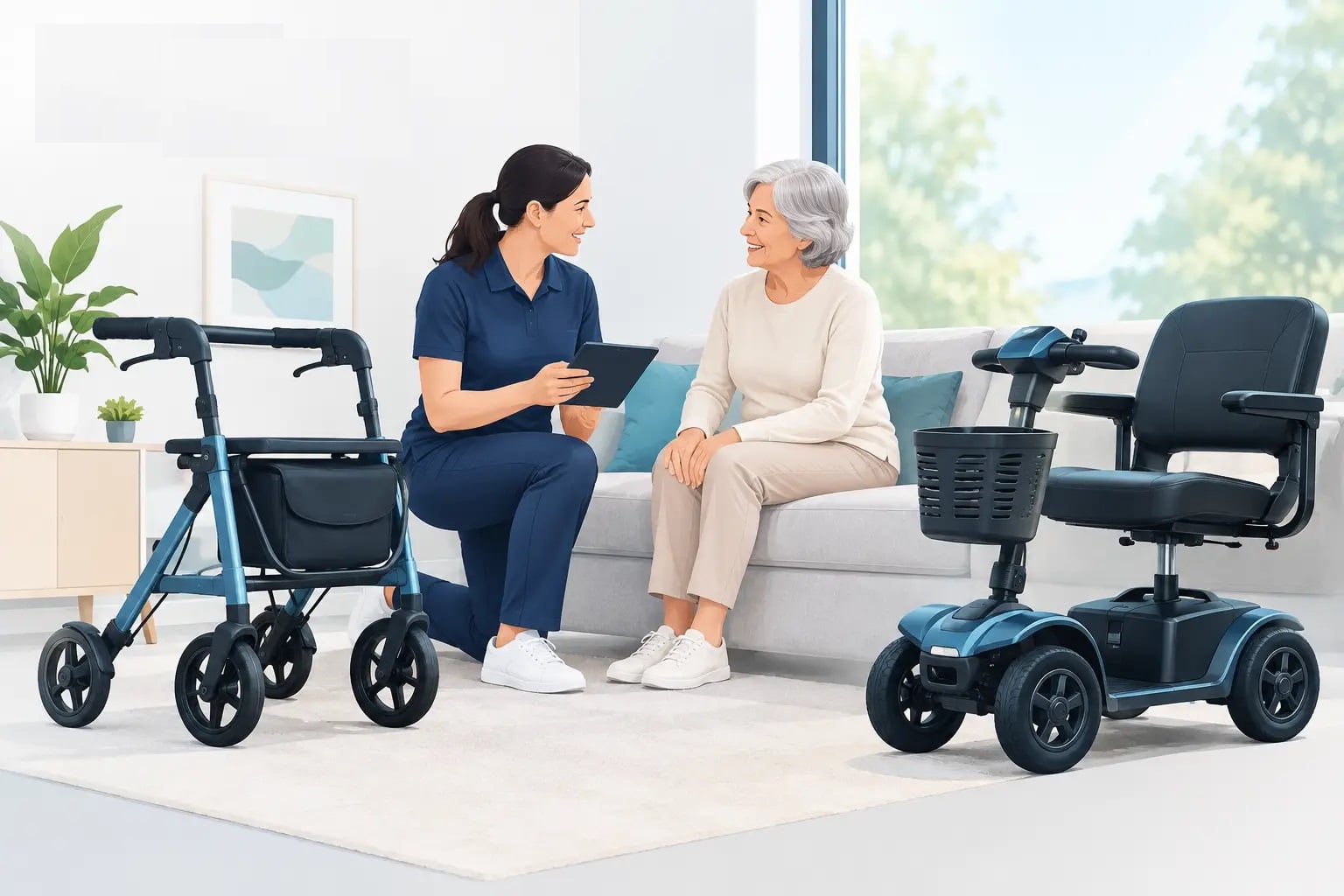
A mobility assessment is a practical review of what a person can do comfortably and safely, where they need support and which type of equipment is suitable. It is not simply a question of choosing the lightest walking stick or the fastest mobility scooter. A good assessment considers stability, posture, reach, strength, pain, fatigue and confidence, as well as the layout of the home.
The process may be carried out by a healthcare professional, occupational therapist, mobility specialist or an experienced retailer, depending on the equipment required and the complexity of the person’s needs. For more straightforward items, such as a basic walking stick or raised toilet seat, clear measurements and product advice may be sufficient. For a powered wheelchair, stairlift, hoist or major bathroom adaptation, a more detailed assessment is usually sensible.
The conversation should begin with daily life rather than a product category. Can the person get from their bedroom to the bathroom during the night? Do they need to carry a cup of tea from the kitchen? Are they able to stand from their favourite chair? Do they want to visit local shops independently, or does the equipment only need to work inside the home? These details shape the recommendation.
The key areas mobility aid assessments should cover
Every assessment is individual, but the following areas usually determine whether an aid will be safe and practical over time:
- Physical ability and comfort: Consider balance, grip strength, upper-body strength, joint movement, pain, sensation and how quickly fatigue develops. An aid that requires too much hand pressure or standing effort may not be suitable, even if it appears stable.
- Posture and support: Seating position matters for wheelchairs, powerchairs, rise recliners and beds. Poor fit can lead to sliding, pressure discomfort, difficulty reaching controls and reduced confidence when transferring.
- Home measurements and access: Door widths, hallway turns, threshold heights, stair dimensions and available storage space all matter. A product that fits through the front door may still be unsuitable if it cannot turn into the bathroom or bedroom.
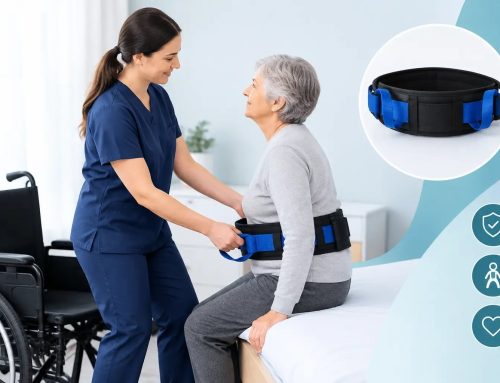
- Transfers and personal care: Assess how the person moves between bed, chair, toilet, shower, wheelchair and car. Transfer boards, grab rails, shower chairs, hoists or riser recliners may be more useful than a single mobility product on its own.
- Outdoor and transport needs: Pavements, dropped kerbs, gradients, public transport, car boot space and local terrain affect the choice of scooter, powerchair or rollator. Portable equipment can be convenient, but a compact design may offer less range, comfort or suspension than a larger model.
It is also worth considering whether needs are likely to change. Someone recovering from a hip replacement may only require short-term support, making hire a practical option. A person living with a progressive condition may benefit from equipment with adjustable settings or scope for future accessories, rather than replacing an unsuitable product within months.
Measuring is part of the assessment
Small measurements have a major effect on suitability. For a walking stick, handle height should support an upright posture without forcing the shoulder to lift. For a walker or rollator, the user needs enough room to step within the frame rather than stretching forward to reach it. For wheelchairs and powerchairs, seat width, seat depth, footplate position and armrest height influence both comfort and pressure management.
At home, measure clear openings rather than relying on the nominal width of a doorway. Include skirting boards, radiators, furniture and tight corners. If a threshold ramp is needed, its gradient and fixing method must suit the height of the threshold and the mobility aid being used. A ramp that is too steep can be difficult to manage independently and may not be safe for a powered product.
For vehicle transport, check the boot opening, internal length, loading height and safe lifting capability. Folding wheelchairs and lightweight scooters are popular for outings, but weight still matters. A model may fold neatly while remaining too heavy for a family member to lift repeatedly.
Choosing the right type of mobility equipment
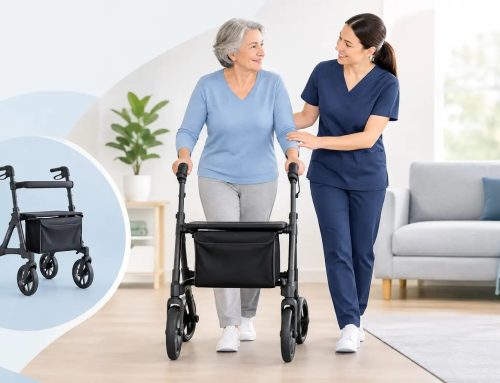
An assessment often reveals that the first product considered is not the best answer. A person who feels unsteady walking may assume they need a wheelchair, when a rollator with a seat and reliable brakes could allow them to remain active with less support. Equally, someone using a basic walking frame indoors may need a wheeled walker to move safely through longer corridors or around a larger property.
Wheelchairs should be selected around use rather than appearance. A self-propelled wheelchair can support independence for users with sufficient arm strength and suitable indoor space. An attendant-propelled transit wheelchair may be lighter and easier for carers to manoeuvre, but it is less suitable for independent travel. Powered wheelchairs provide greater independence for some users, although turning space, battery charging and control access must be assessed carefully.
Mobility scooters also involve trade-offs. Small boot scooters are designed for portability and short local trips, while larger road-capable models typically provide more comfort, range and stability. The larger option needs suitable storage, charging provision and enough space to manoeuvre. Before buying, consider the route to the pavement as well as the destination.
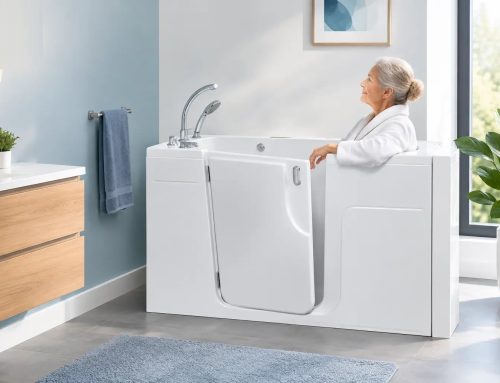
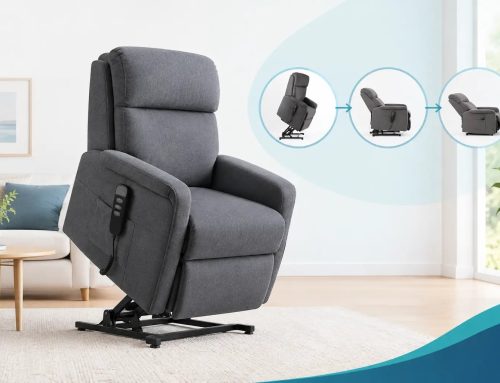
For indoor living, a rise recliner can make standing easier, but the user must be able to operate it safely and position their feet correctly before rising. Profiling beds can support comfort, repositioning and care needs, but require adequate room around the bed for transfers and, where needed, carer access. Bathroom aids should account for wet floors, turning space and the person’s ability to transfer without overreaching.
When specialist input is particularly useful
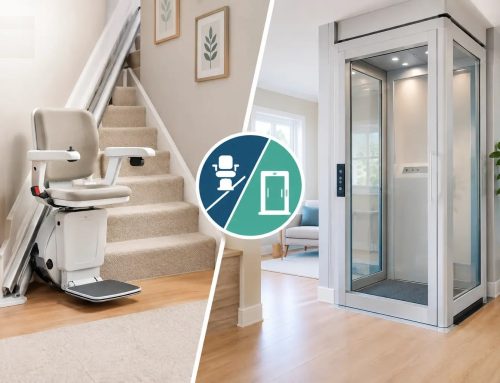
Professional advice is especially valuable where there is a history of falls, significant weakness on one side, pressure-care needs, cognitive impairment, complex transfers or a condition that changes over time. It is also advisable before purchasing higher-value equipment such as powerchairs, ceiling hoists, stairlifts, homelifts, wet rooms and platform lifts.
In these situations, the assessment may need to involve more than one person. The user brings essential knowledge of comfort, pain and routines. A family member or carer can explain the support they provide and any practical limits. An occupational therapist or healthcare professional may identify clinical risks, while a mobility supplier can confirm product dimensions, installation requirements and servicing needs.
Do not overlook aftercare. Batteries, tyres, brakes, upholstery, controls and moving mechanisms need checking over time. For powered equipment, ask how servicing, programming and repairs are handled, particularly if the aid is needed every day. A lower initial price can be less attractive if support is difficult to access later.
Preparing for your assessment
A little preparation makes the discussion more useful. Make a note of the hardest parts of the day, including when tiredness or pain is at its worst. Record recent falls or near misses and take measurements of key doorways, rooms and storage areas. If considering a scooter or wheelchair, think about regular journeys, the car used and where charging will take place.
It can help to involve the person who will use the equipment from the start, even when a family member is arranging the purchase. Independence is personal. One person may prioritise getting to the garden alone, while another may value safe transfers at night or being able to sit comfortably through a family meal. The best choice reflects those priorities.
Sheen Mobility can help customers compare equipment across everyday walking, seating, bathing, transfers, home access and outdoor travel, with practical product information available before a decision is made. The aim is not to add equipment to every room, but to choose support that fits the person’s life and remains manageable to use day after day.
A well-planned assessment gives people and families a clearer basis for choosing. Start with the task that currently feels most difficult, check the space where it happens, and select an aid that makes that moment safer without making the next one harder.