

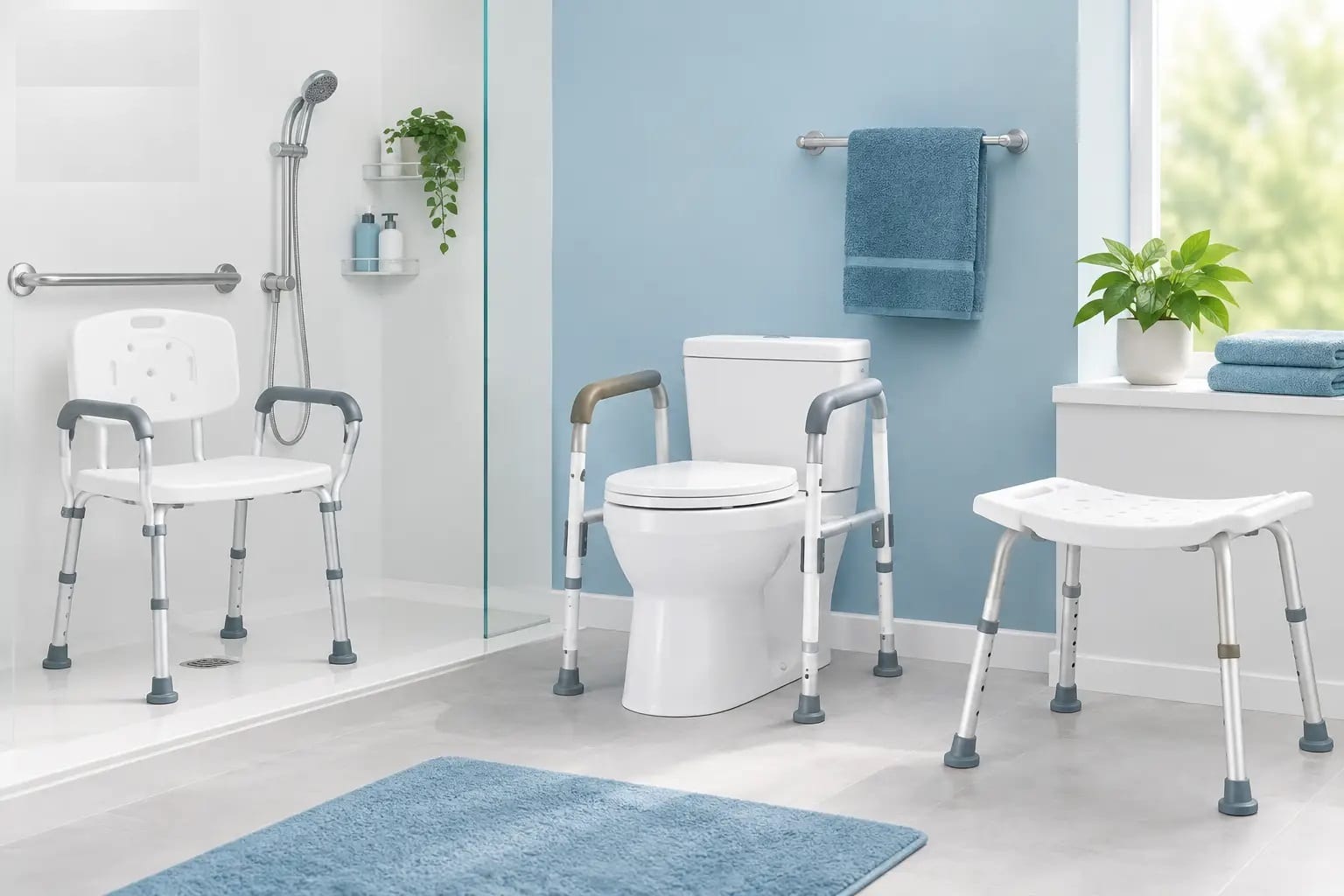
A bathroom can become difficult to use long before it feels unsafe. Stepping over a bath edge, lowering onto the toilet or standing on a wet floor may be tiring, painful or unsteady after illness, surgery or a change in mobility. This bathroom safety aids guide sets out the main options for making washing and toileting safer while supporting independence at home.
The right equipment depends on the person, the bathroom layout and the level of help available. A small aid can make an immediate difference, but where transfers are becoming consistently difficult, a more substantial bathing solution or home adaptation may be the better long-term choice.
Start with the activity that feels unsafe
Rather than buying several products at once, identify the exact point where difficulty occurs. Is it standing in the shower, getting into the bath, reaching taps, sitting down on the toilet, or getting back up afterwards? This helps narrow the choice and avoids buying equipment that does not suit the user or the room.
Consider whether the person can stand safely for a short period, how much weight they can take through their legs and arms, and whether they need one-handed support or assistance from a carer. Also check whether mobility varies during the day. Someone who manages well in the morning may need a seat or grab rail when fatigue increases later on.
Bathroom safety equipment should make a movement simpler, not create another awkward transfer. For example, a bath board may suit a person who can sit and swivel independently, while someone with reduced balance or limited leg movement may be safer with a bath lift, level-access shower or assisted bathing arrangement.
Bathroom safety aids guide: key product categories
Grab rails and shower rails
Grab rails provide a stable handhold when moving around the bathroom. They are commonly fitted beside the toilet, by the bath, at the shower entrance and near steps or changes in floor level. Correct positioning matters more than simply adding a rail wherever there is wall space. The rail should be easy to reach before balance is lost and fixed to a suitable surface.
Permanently fitted rails generally offer the most dependable support when installed properly. Suction rails can be useful for short-term travel or as a visual prompt, but they should not be treated as a replacement for securely fixed support. Check the manufacturer’s stated weight limit and attachment requirements, especially on textured tiles or uneven surfaces.
Shower chairs, stools and perching stools
A shower chair allows the user to wash while seated, reducing time spent standing on wet flooring. Models with a backrest and armrests can provide more support for people who find it difficult to maintain posture or rise from a low seat. Adjustable legs are useful where the shower tray is uneven or the user needs a specific seat height.
A basic shower stool takes up less room and may suit a compact cubicle, although it offers less support when sitting down or standing up. Perching stools are usually used at the basin, allowing the user to rest in a partly standing position while washing, shaving or brushing teeth. They can be particularly helpful for people who fatigue easily but can still manage a controlled sit-to-stand movement.
Measure the shower area before choosing. There needs to be enough space for the chair, the user’s feet and, where required, a carer to assist safely.
Bath boards, bath seats and bath lifts
Bath boards fit across the top of a standard bath, creating a firm surface for sitting before swinging the legs in. Some include a handle or support rail. They are practical for users who can transfer sideways and have enough upper-body control to move across the board, but they are not suitable for every bath shape or for users who need substantial assistance.
Bath seats sit inside the bath and can reduce the distance the user has to lower themselves. A bath lift lowers and raises the user electrically, helping them bathe in a conventional bath without the same effort involved in getting down to the base. For many households, a bath lift offers a useful middle ground between a small aid and replacing the bath altogether.
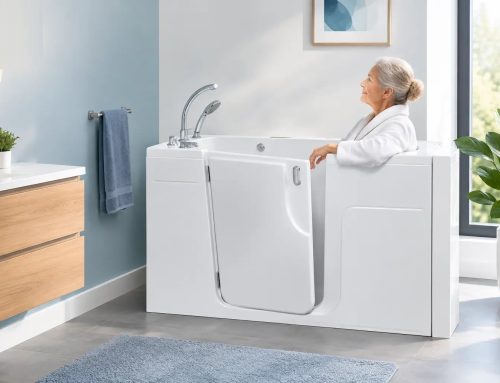
However, bath lifts still require a safe transfer over the bath edge. Where this movement is no longer manageable, a walk-in bath, wet room or level-access shower may be more appropriate. These changes involve greater cost and planning, but can provide a safer everyday solution where needs are long term.
Toilet frames, raised seats and commodes
The toilet is a common place for falls because standing from a low seat demands leg strength, balance and confidence. A raised toilet seat increases the height of the existing toilet, reducing the bend at the hips and knees. Versions with lids, fixed brackets or adjustable height options are available, depending on the toilet design and the level of stability needed.
A toilet frame provides armrests to push up from. It can be a good option when a person needs support on both sides but the walls are not suitable for fixed rails. For some users, a combined raised seat and frame is more secure than either item alone.
A bedside or mobile commode can reduce the distance to the toilet for someone recovering from surgery, managing urgent toileting needs or unable to safely reach the bathroom overnight. It should be positioned on level flooring with enough room for transfers and regular emptying and cleaning.
Non-slip and everyday support products
Non-slip mats, shower stickers and anti-slip flooring can improve grip, but they are a supporting measure rather than the whole solution. Mats need to lie completely flat and be cleaned regularly, as soap residue can reduce their effectiveness. In some bathrooms, a loose mat may become a trip risk, particularly for walking frame or wheeled walker users.
Long-handled sponges, tap turners, soap dispensers and easy-grip toileting aids can also reduce stretching, twisting and one-handed difficulty. These products are often overlooked, yet they can make personal care more manageable without altering the room.
Check measurements, fitting and weight limits
Bathroom aids are not one-size-fits-all. Before ordering, measure the bath width, toilet height, shower footprint, door clearance and any nearby radiators or vanity units. Check whether the aid will affect how the bathroom door opens or whether it leaves sufficient space to turn with a walking aid or wheelchair.
Product weight limits must be followed. This is particularly relevant for shower seating, bath boards, toilet frames and bath lifts. The stated maximum user weight may differ between models that look similar, and capacity should include the user’s needs without pushing equipment to its limit.
For fitted rails, consider the wall construction as well as the rail itself. A rail fixed only into tile or unsuitable plasterboard may not provide safe support. Professional fitting is sensible where there is any uncertainty, especially if the rail will be used for weight-bearing during transfers.
Think about the carer as well as the user
If a family member or professional carer assists with bathing or toileting, leave enough working space for both people. A product that makes the user comfortable but forces the carer to twist, overreach or work in a confined position can increase risk for everyone.
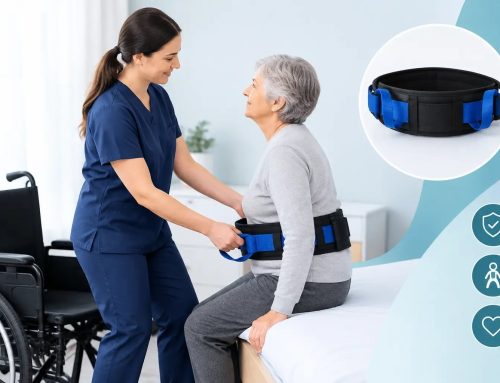
Discuss how transfers currently happen. A person who needs steadying may benefit from a rail and raised seat, while a person who needs lifting should not be manually pulled up by the arms. Transfer aids, shower commodes or specialist assessment may be needed where weight-bearing is limited.
It is also worth planning for changing needs. A compact shower stool may be ideal during short-term recovery, whereas progressive conditions may call for equipment that can be adjusted, moved or combined with a future bathroom adaptation.
When a bathroom adaptation is the better option
Smaller bathroom aids are often the quickest and most cost-effective starting point. They work well where the user has some standing ability, the bathroom is accessible and the difficulty is specific to one task. They may not be enough when there are repeated falls, a carer cannot assist safely, or the person can no longer step over the bath edge.
A wet room removes the shower threshold and can provide space for shower chairs or wheeled shower commodes. Walk-in baths offer a seated bathing option with a watertight door, while level-access showers are often easier for frequent washing and carer support. The best option depends on personal preference, available space, future needs and whether bathing or showering is preferred.
Sheen Mobility can help customers compare everyday bathroom aids alongside larger accessibility options, so it is easier to choose equipment that suits both the current home and the level of support required.
A safer bathroom should still feel like a familiar, private part of the home. Start with the transfer or task that causes the most concern, measure carefully, and choose support that makes daily care feel steadier rather than more complicated.