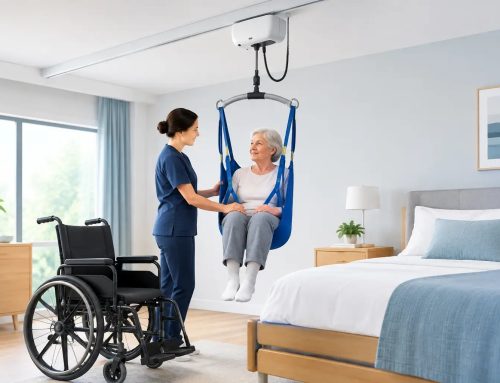


A jar that will not open, a low chair that is difficult to rise from, or a shower floor that feels unsteady can turn an ordinary routine into a daily worry. The best daily living aids reduce those small barriers without taking over the home. They are practical products designed to make eating, washing, dressing, moving around and managing household tasks safer and less tiring.
For many people, the right aid supports independence after an operation, during recovery from illness, or while managing a long-term condition. For relatives and carers, it can also make assistance more comfortable and reduce the risk of strain. The most suitable choice depends on the task, the user’s grip and balance, the available space, and whether their needs are likely to change.
What makes the best daily living aids?
A useful daily living aid should solve a specific problem clearly. It should be easy to use, straightforward to clean and suitable for the person’s strength, reach and coordination. A product with too many adjustments can be frustrating if someone has limited hand movement, while a basic option may not offer enough support for a person with poor balance.
Safety is equally important. Look for non-slip feet or bases where relevant, secure handles, smooth edges and a stable design. Weight limits, dimensions and material should be checked before buying, particularly for bathroom and seating equipment. It is also worth considering where the item will be stored. A folding perching stool may suit a compact kitchen, for example, whereas a fixed shower chair needs enough room for safe transfers.
The best products are often the ones that fit naturally into an existing routine. They should help a person do more for themselves, rather than making every task feel clinical or complicated.
Best daily living aids by everyday task
Kitchen and meal preparation aids
Kitchen tasks can become difficult when grip strength is reduced or standing for long periods causes pain or fatigue. Kettle tippers hold a standard kettle in a secure frame, allowing it to be poured with less lifting. They can be a sensible option for someone who can still manage a kettle but finds its full weight uncomfortable.
Easy-grip cutlery, jar and bottle openers, plate guards and non-slip mats can make meals easier to prepare and eat. A plate guard helps keep food on the plate when using one hand or when coordination is limited. Non-slip mats can hold bowls, chopping boards or plates in place, but they should be kept clean and dry to remain effective.
A perching stool offers a supported half-standing position for jobs such as chopping vegetables or washing up. Unlike a standard chair, it is designed for use at a higher work surface. Check that the seat height suits the kitchen and that there is room to move safely around it.
Dressing and personal care aids
Dressing aids can help people who have difficulty bending, reaching their feet or handling small fastenings. A dressing stick can assist with pulling garments into place, while a long-handled shoehorn reduces the need to bend when putting on footwear. Sock aids are useful for people who can guide a sock over the device but cannot comfortably reach their feet.
Button hooks and zip pullers can also be helpful where finger movement or grip is limited. These aids tend to work best with familiar clothing rather than every garment type, so it is sensible to consider the user’s usual wardrobe before choosing one. Loose-fitting clothes, elasticated waistbands and supportive slip-on footwear may make the overall routine easier too.
Long-handled sponges and combs can support personal care while reducing stretching and twisting. Choose a handle length that provides useful reach without becoming difficult to control.
Bathroom safety aids
Bathrooms deserve particular attention because wet surfaces increase the consequences of a slip. Shower stools and shower chairs provide a stable place to sit while washing, helping users conserve energy and reduce the need to balance on one leg. A chair with arms and a backrest may offer greater support, although it takes up more space than a simple stool.
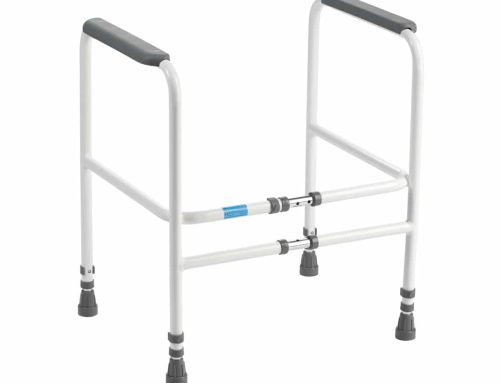
Raised toilet seats reduce the distance a person needs to lower themselves and stand back up. Versions with arms can provide additional support, but fitting must be secure and compatible with the toilet. Toilet frames are another option for users who mainly need firm handholds when sitting and standing.
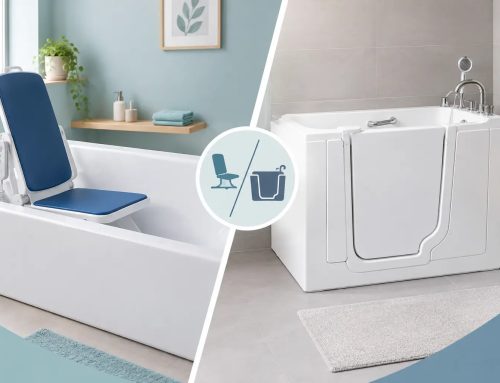
Grab rails can be useful beside a toilet, shower or bath, but they need to be fixed to an appropriate surface. Suction rails are not a replacement for professionally fitted grab rails where full bodyweight support is required. For people who find stepping over the bath side unsafe, a bath board, bath lift, walk-in bath or level-access shower may be more suitable than adding several smaller aids.
Seating and standing support
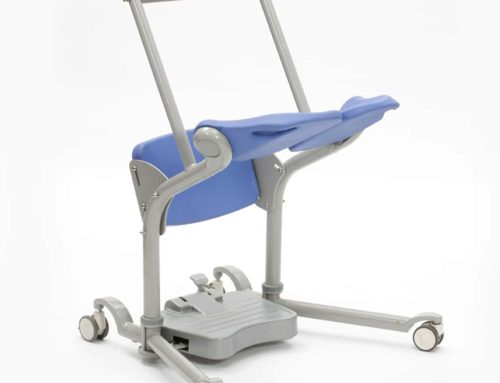
Low, soft seating may feel comfortable at first but can be difficult to get out of. Chair raisers increase the height of an existing chair, though they should only be used with furniture that is stable and compatible with the raisers. A firm cushion can improve comfort, but it will not provide the lifting assistance some people need.
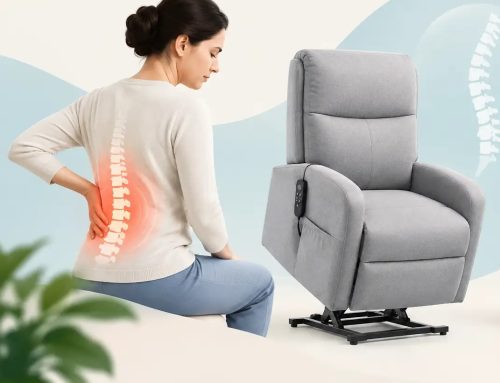
For regular difficulty standing from a chair, a rise recliner can offer more controlled support. It is a larger investment and requires enough room for reclining, but it may be more appropriate where transfers are a repeated concern. Seat cushions, lumbar supports and posture supports can also help with comfort, although they should not be used to mask pain that needs clinical assessment.
Reaching, carrying and household aids
Reachers and grabbers help pick up dropped items, retrieve objects from shelves and reduce the need to bend. Consider the trigger style, handle size and jaw opening. A lightweight reacher may be easy to hold but unsuitable for heavier items, while a stronger model can be less manageable for someone with hand weakness.
Furniture raisers, bed rails, bed levers and transfer boards can make moving around the home easier. These products need careful matching to the user and the furniture involved. A bed rail may help one person reposition themselves but could create a risk for another person who is confused at night or unable to use it safely.
For carrying drinks, meals or personal items, a walking frame tray or trolley can be more practical than trying to use both hands while relying on a walking aid. Make sure any accessory is designed for the specific frame or trolley and does not affect stability.
Medication and memory support
A weekly pill organiser can make a prescribed routine easier to follow, particularly where several medicines are taken at different times. Clear labels and compartments are useful, but a family member or carer may still need to check the organiser if memory problems are present. Medication should only be transferred or managed in a way that is appropriate for the prescription and advice received from a pharmacist or healthcare professional.
Large-button clocks, talking clocks, reminder calendars and easy-to-use telephones can also support confidence at home. These are often overlooked, yet they can reduce stress for someone who struggles with small displays, poor vision or remembering appointments.
How to choose the right aid
Start with the moment that causes difficulty, rather than searching for a general solution. Is the problem pain when bending, poor balance while standing, weak grip, limited reach or fatigue? The answer narrows the category quickly and prevents buying equipment that does not address the real issue.
Before ordering, measure the relevant space and check the product specification. For a shower chair, this includes the shower area, door opening and any threshold. For a raised toilet seat, check the toilet shape and height. For furniture raisers or transfer equipment, check the item’s weight capacity and the stability of the existing furniture.
It is also sensible to think ahead. A temporary post-operative need may call for a straightforward, portable aid, whereas progressive mobility changes may justify equipment with more adjustment or a wider home adaptation. In some cases, a combination works best: a walking aid for movement, a shower chair for washing and a rise recliner for safer seating.
Where transfers, falls or personal care are becoming difficult, seek advice from an occupational therapist, physiotherapist or other relevant healthcare professional. Specialist retailers such as Sheen Mobility can help customers compare product types and specifications, but clinical advice is particularly valuable where needs are complex.
When a small aid is not enough
Daily living aids are highly effective for many routine tasks, but they have limits. Repeated falls, significant difficulty getting upstairs, unsafe bath transfers or the need for assistance with every move may indicate that larger equipment or home adaptations should be considered.
Stairlifts, ramps, homelifts, wet rooms, profiling beds and transfer equipment can provide a more reliable long-term solution where the home itself is becoming a barrier. The right route depends on the property, the user’s mobility and whether their needs are expected to remain stable or change over time.
A well-chosen aid should make the next task feel more manageable, not more daunting. Begin with the activity that matters most, check that the product fits both the person and the home, and build a safer routine one practical improvement at a time.