

A rollator should make everyday movement feel more secure, not create another hazard to manage. To prevent rollator falls, the starting point is not simply choosing a sturdy frame. It is making sure the rollator fits the user, works properly and is used in the right way in the places where falls are most likely to happen – by the bed, in the bathroom, at thresholds and when sitting down.
A fall can have several causes at once. A worn brake, a loose rug, poor footwear or a moment of rushing can each make a difference. For many people, a few practical changes to the rollator and home routine can reduce risk while preserving independence.
Prevent rollator falls with the right set-up
A rollator needs to suit the person using it. If the handles are too high, the user may lift their shoulders and lose control of the frame. If they are too low, they may stoop forward and place too much body weight over the front wheels.
As a general guide, when standing upright in ordinary shoes with arms relaxed at the sides, the handles should sit around wrist height. Elbows should have a slight bend when holding the grips. This position allows the user to stand close enough to the rollator without leaning heavily on it.
Width, weight and wheel size matter too. A compact indoor rollator can be easier to turn around furniture, while a larger outdoor model with bigger wheels may cope better with uneven pavements. The trade-off is that a wider or heavier model may be less practical in a narrow hallway, bathroom or small kitchen. Measure key routes around the home before selecting a model, including doorways and the space beside the bed or toilet.
The rollator should also have an appropriate user weight limit. Accessories such as bags and baskets are useful, but they must not be overloaded or hung from the handles. Weight high up or unevenly distributed can affect steering and make the frame less stable, particularly on slopes or kerbs.
Use the brakes every time you stop
Most rollators have two braking functions. Squeezing the brake levers slows or controls the rollator while walking. Pushing the levers down, or using the locking mechanism fitted to that model, applies the parking brakes. Both brakes should be locked before sitting on the rollator seat, reaching into a cupboard, turning to use a worktop or preparing to transfer to a chair, bed or toilet.
A common unsafe habit is using a rollator as something to pull against when rising from a chair. Even with the brakes on, the frame can move. Where possible, push up from the chair arms or a stable surface first, then take hold of the rollator once standing and balanced. The same applies when sitting down: back up until the legs touch the chair, reach for the chair arms and lower slowly. Do not use the rollator as a substitute for a fixed grab rail.
Before using the seat, check that both parking brakes are fully engaged and that the ground is level. Sit facing forwards with both feet on the floor. Rollator seats are designed for short rests, not for being pushed while seated unless the product is specifically designed and supplied for that purpose.
Walk within the frame, not behind it
A rollator is most stable when the user stays close to it, with the body positioned between the rear wheels. Pushing it too far ahead can encourage leaning and makes it harder to react if a wheel catches on a threshold or uneven surface.
Move at a controlled pace. A rollator is not designed to hold the full weight of someone who is falling forward, so it is better to pause when feeling dizzy, breathless or unsteady than to hurry towards a chair. If dizziness, sudden weakness or repeated near-falls are happening, seek advice from a GP, physiotherapist, occupational therapist or falls service. Equipment can help, but a change in balance or health may need assessment.
Take particular care when turning. Make wider, slower turns rather than pivoting sharply on one foot. Keep both hands on the grips and do not twist around to reach behind while holding the frame. If an item has fallen, park the rollator safely, use a reaching aid if suitable, or ask for assistance instead of stretching beyond a comfortable reach.
Make rooms and routes easier to use
Many indoor rollator falls happen because the available route is too tight or cluttered. The aim is not to remove everything from the home. It is to create clear, predictable paths to the places used every day.
Start with the journey from bed to bathroom, then look at routes to the kitchen, favourite chair and front door. Remove loose mats, trailing cables, footstools and low furniture that catches the wheels. Secure carpet edges and make sure flooring changes are as level as possible. If a threshold is raised, a suitable threshold ramp may provide a steadier route than repeatedly bumping a rollator over the edge.
Good lighting is equally practical. Fit an easy-to-reach bedside light and consider motion-sensor lighting for halls, landings and bathrooms. Glasses should be clean and within reach before standing. Slippers without a secure back can slide off or catch on the floor, so well-fitting shoes with non-slip soles are usually a safer option indoors as well as outside.
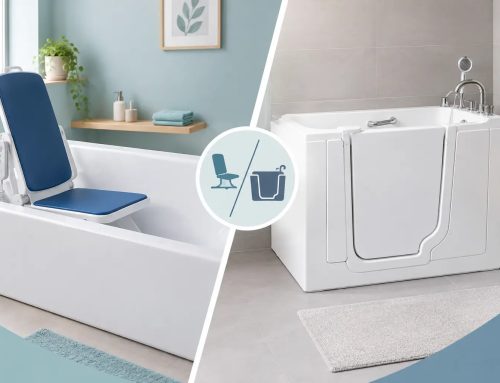
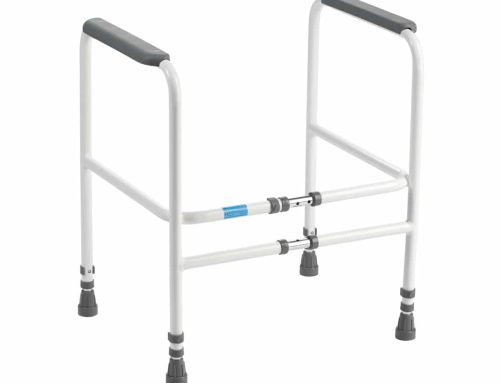
Bathrooms need separate consideration because water, confined space and transfers combine several risks. A rollator may help someone reach the bathroom, but it should not be relied on as support during a shower, toilet transfer or step into a bath. Grab rails, a shower seat, raised toilet seat or other bathroom aids may be more appropriate depending on the person and layout.
Check the rollator before problems develop
Regular checks help identify faults before a wheel, brake or handle becomes unsafe. This does not need to be complicated, but it should be part of the household routine, especially where the rollator is used every day outdoors.
Look for the following issues:
- Brakes that do not grip evenly, feel loose or fail to lock securely.
- Wheels that wobble, stick, collect debris or show significant wear.
- Handles that move, are set at different heights or have damaged grips.
- A frame that appears bent, cracked, unstable or difficult to fold and unfold.
- Loose screws, torn seat material or a bag that interferes with wheels or brake cables.
Wipe mud, grit and moisture from the wheels after wet weather. Avoid using oil or household lubricant on brake parts unless the manufacturer specifically recommends it, as this can reduce braking performance. Keep the instruction manual where it can be found, as brake adjustment methods vary between models.
If brakes need frequent adjustment, wheels are damaged, or the frame has been involved in a fall, stop using the rollator until it has been checked. A professional servicing assessment is often the sensible option, particularly for a rollator that is relied upon every day. Replacing worn parts can be safer and more economical than waiting for a complete failure.
Be realistic about outdoor conditions
A rollator can make local journeys more manageable, but not every surface is suitable. Loose gravel, wet leaves, cobbles, steep cambers and icy paths can affect wheel grip and balance. Plan routes with dropped kerbs, smoother pavements and places to rest where possible.
At kerbs, approach straight on rather than at an angle. Many rollators have a kerb climber or tipping pedal to help lift the front wheels, but it still requires adequate balance and control. If this manoeuvre feels uncertain, use an alternative crossing point or ask for help. Never try to use a rollator on an escalator, and take extra care on buses or trains where the vehicle may move before the brakes can be applied.
For some users, a simple walking frame, wheeled walker, wheelchair or mobility scooter may be more suitable for particular journeys. The best option depends on strength, balance, hand function, fatigue, storage space and where the equipment will be used. A specialist mobility retailer such as Sheen Mobility can help compare practical features, but personal clinical advice is valuable where falls are ongoing or needs are changing.
A well-adjusted, well-maintained rollator gives its user room to move with confidence. Keep the route clear, lock the brakes before every stop and treat any near-fall as a useful warning to review the equipment or routine before a more serious accident occurs.