

Moving from a wheelchair to a bed, toilet, chair or car can be one of the highest-risk parts of daily care. Learning how to transfer wheelchair users safely helps protect the person’s comfort and dignity while reducing the chance of falls, skin damage and back injuries for carers.
The right method depends on the person’s strength, balance, weight-bearing ability, pain levels and confidence. A transfer that is suitable for one person may be unsafe for another, particularly after a stroke, operation or change in condition. Where there is any doubt, ask an occupational therapist, physiotherapist or moving-and-handling professional to assess the transfer and provide practical training.
Start with a transfer assessment
Before attempting a transfer, consider what the person can do independently. Can they stand briefly? Can they take weight through one or both legs? Can they follow instructions, grip securely and maintain a sitting position? Also consider fatigue, dizziness, pressure sores, recent surgery and any tubes, catheters or braces that could be affected by movement.
The destination matters too. A low, soft sofa requires a different approach from a firm, height-adjustable bed. For a toilet or shower chair, space for the wheelchair and carer must be available. If the wheelchair cannot be positioned close enough, or the route is blocked by rugs, footstools or cables, stop and reorganise the area first.
A written moving-and-handling plan is particularly useful where several family members or paid carers provide support. It gives everyone a consistent method and states whether one person, two people or a mechanical lifting aid is required.
Prepare the wheelchair and surrounding area
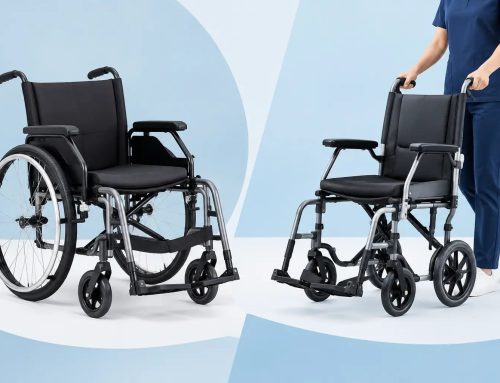
Good preparation makes transfers calmer and safer. Bring the wheelchair as close as possible to the surface, usually at a slight angle rather than directly facing it. The surface being transferred to should ideally be the same height as the wheelchair seat, or slightly lower for a standing transfer. Avoid a large height difference wherever possible.
Apply the wheelchair brakes firmly. Lift or remove the footplates so they cannot catch the person’s legs, and move detachable armrests out of the way if this is recommended for the chair. Check that loose clothing, blankets and bags are clear of the wheels and footrests.
Ensure there is enough light and space to move. The person should wear secure, non-slip footwear if standing, rather than socks or loose slippers. Explain the transfer before starting and agree simple instructions, such as “lean forward”, “hands on the armrests” and “stand on three”. A person who understands what will happen is better able to take part safely.
How to transfer wheelchair users using a standing pivot
A standing pivot transfer may suit someone who can bear weight through their legs and stand with limited help. It should not be used if they cannot support themselves safely, have been advised not to weight-bear, or are likely to buckle without warning.
First, position the wheelchair close to the destination and secure the brakes. Ask the person to move forwards in the chair, with their feet flat on the floor and placed under their knees. Their stronger leg should usually be nearest the surface they are moving to.
The carer should stand close, using a stable stance with feet apart and knees relaxed. Encourage the person to push from the wheelchair armrests or seat rather than pulling on the carer’s neck or shoulders. A properly fitted transfer belt can provide a safer point of support around the waist, but it must not be used to lift a person’s full body weight.
On an agreed count, the person leans forwards and stands. The carer guides and steadies rather than lifting. Once standing, turn using small steps until the back of the person’s legs touches the destination surface. They then reach back, if able, and lower themselves slowly into the chair, bed or onto the toilet.
Do not twist your back, reach across the person or try to catch them mid-fall. If the person begins to fall, guide them towards the nearest safe surface where possible and call for help. A rushed recovery attempt can cause a serious injury to both people.
When to use a transfer board
A transfer board, sometimes called a slide board, can help a wheelchair user move between two seated surfaces without standing fully. It may be appropriate for people with good sitting balance and upper-body strength, including some wheelchair users who cannot weight-bear through their legs.
Place the wheelchair close to the destination, lock the brakes and remove the armrest or footplates if needed. One end of the board is positioned beneath the person’s thigh or buttock, with the other resting securely on the transfer surface. The person moves across in a series of short sideways movements, rather than attempting to slide in one go.
The board must sit on firm, stable surfaces and should not be used on wet, highly polished or uneven seating. Check the board’s maximum user weight and inspect it regularly for cracks, rough edges or signs of damage. A transfer board can reduce lifting, but it still requires technique and may need carer assistance.
Hoists and other transfer aids
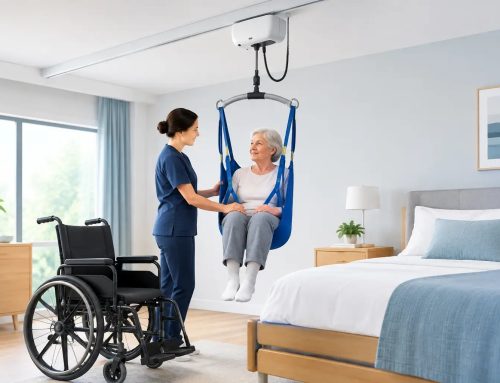
For someone who cannot safely stand or make a seated transfer, a mobile hoist, ceiling track hoist or standing hoist may be the appropriate option. These products can significantly reduce manual handling demands, but only when the equipment, sling and transfer method are correctly matched to the individual.
A full-body hoist is generally used for a person with little or no weight-bearing ability. A standing hoist may be suitable for someone who can take some weight through their legs and hold themselves in a supported standing position. The sling type, size and attachment points must follow the manufacturer’s instructions and the individual’s assessed care plan.
Never improvise with a hoist, use a damaged sling or exceed the stated safe working load. A hoist should not turn a one-person task into an unassessed task: some transfers still require two carers, particularly where positioning, clothing adjustments or reassurance are needed.
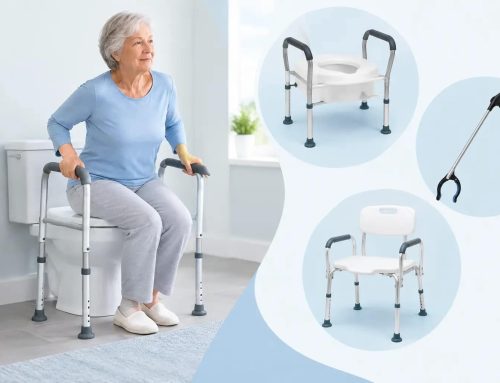
Other useful products may include transfer belts, swivel cushions, bed rails, height-adjustable beds, toilet frames and shower chairs. The best choice depends on where transfers happen most often. A home that needs support for bed transfers may need different equipment from a household focused on toileting, bathing or getting in and out of a car.
Protect the carer as well as the wheelchair user
Carers often injure their backs because they try to lift rather than assist. Keep the task close to your body, avoid twisting, use your legs to move and take time to set up the space. If a transfer feels too heavy or unpredictable, it is too risky to continue without additional help or suitable equipment.
Two carers are not automatically safer than one. They need to understand the same technique, communicate clearly and work in a coordinated way. Otherwise, a hoist or another transfer aid may offer the more controlled option.
Changes in health should trigger a review. New pain, reduced strength, repeated near-falls, a hospital discharge or a noticeable increase in fatigue can all mean that an existing transfer method is no longer suitable.
Choosing equipment for safer everyday transfers
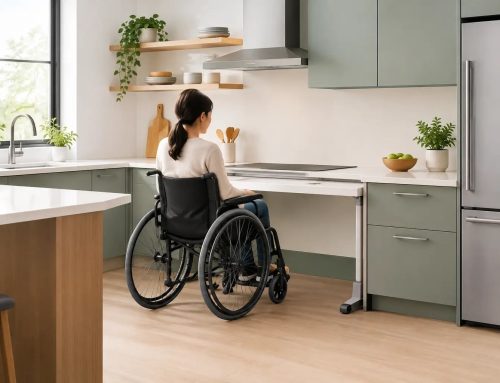
Before buying a transfer aid, measure doorways, bathroom space, bed height and the wheelchair seat height. Consider the person’s weight, grip strength, skin condition and whether the equipment needs to be folded, moved between rooms or taken on outings. Product suitability is more useful than choosing the cheapest or most compact option.
Sheen Mobility can help customers compare transfer aids and wider home mobility equipment, from practical daily-living supports to lifting and access solutions. For complex needs, seek clinical assessment first, then choose equipment that follows the recommended transfer plan.
A safer transfer is usually the one that gives the wheelchair user time, control and a clear role in the movement. Set up carefully, use the right level of assistance and reassess whenever circumstances change.